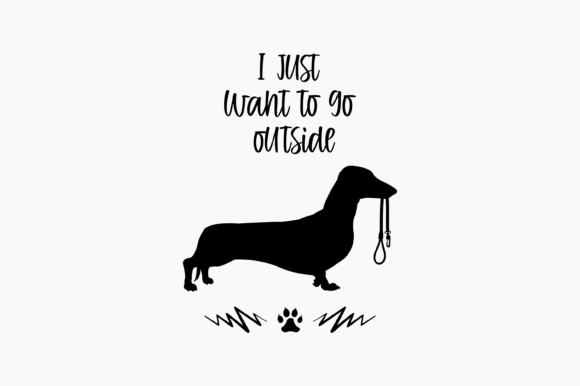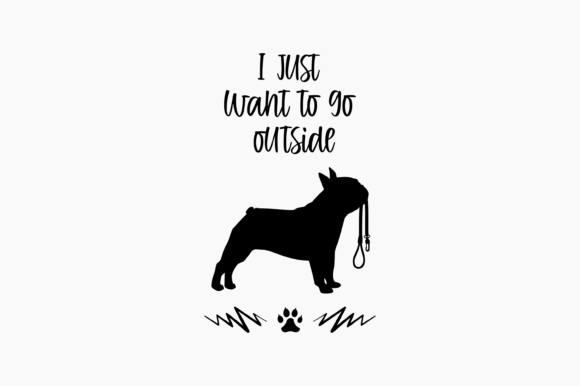
Dog French Bulldog Ask to Go Outside
When I first opened this design file, I knew exactly the kind of customer who would fall for it. As someone who spends hours testing embroidery files before they ever touch a hoop, I look for clarity, personality, and real-world stitching performance. Dog French Bulldog Ask to Go Outside delivers on all three, but only if you match it with the right project and preparation. Let me walk you through what I found after putting this design through its paces for actual handmade product use.
First Impressions: The Personality of This Design
The moment I saw the artwork, I smiled. There is a playful, slightly pleading expression in that bulldog face that feels instantly relatable to anyone who shares a home with a Frenchie. The design captures a specific moment—the head tilt, the alert ears, the wide eyes that say "I really need to go out right now." That emotional hook is gold for crafters and small shop owners because it connects with buyers on a personal level. This is not a generic dog silhouette; it is a character with attitude.
The layout is clean and fairly simple in terms of linework, which makes it versatile for multiple applications within the Crafts category. The overall shape is compact and centered, so it works well as a focal design on apparel, accessories, or home goods. The detail level sits right in the sweet spot—enough expression to be charming, but not so intricate that it becomes a nightmare to stitch out. For a Graphics file intended for stickers, mugs, and T-shirts, the translation to embroidery is surprisingly natural.
Where This Design Shines in Real Embroidery Projects
I tested this design with a custom tote bag scenario in mind, and it performed beautifully. The bold shapes and moderate stitch density mean it holds up on medium-weight cotton, denim, and even quality sweatshirt fleece. Here are the applications where I think Dog French Bulldog Ask to Go Outside truly delivers:
- Custom apparel: T-shirts, sweatshirts, hoodies, and baby onesies. The playful theme works for pet lovers of all ages, and the size can be scaled for chest or left-chest placement.
- Tote bag design: A classic canvas tote with this embroidery makes a great quick gift or boutique product. The design sits nicely in the center or upper corner of a bag.
- Embroidered patch: Because the shape is relatively contained, it stitches out cleanly as a patch. You can back it with iron-on adhesive and sell it as a standalone item for jackets, backpacks, or jeans.
- Baby embroidery: On a bib or a small blanket, this design adds a quirky, modern touch that modern parents appreciate. The dog theme is neutral enough for any nursery.
- Holiday gifts: Pet-themed gifts are consistently popular, and this design feels fresh enough to use for birthdays, adoption anniversaries, or even Christmas presents for dog owners.
- Home decor: Pillow covers, kitchen towels, and tea towels embroidered with this design sell quickly at craft fairs. The humorous angle makes it a conversation piece.
I also tested it on a sweatshirt for a small shop order, and the result was a finished product that looked professional and earned a genuine reaction from the recipient. That is the kind of customer experience that builds trust and repeat business.
Fabrics, Hoops, and Stitching Considerations
No design is perfect for every situation, and Dog French Bulldog Ask to Go Outside has a few boundaries you should respect. Here is where I advise caution based on my own test stitches:
- Small hoop sizes: If you try to squeeze this design into a 4x4 hoop at full size, you may lose some of the finer detail in the face. I recommend a 5x7 hoop minimum for a clear result, or scale the design down carefully and check the preview.
- Textured fabrics: Fleece, thick sweaters, and heavily textured knits can blur the smaller elements like the eyes and nose. A cutaway stabilizer is essential here.
- Thin or stretchy fabric: On lightweight T-shirt knits or jersey, the stitch density may cause puckering if you do not use a tear-away stabilizer and a lightweight backing. Test on a scrap piece first.
- Dark fabric: The design relies on contrast for the facial features to read clearly. On black or very dark fabric, choose a thread color that pops—white, bright yellow, or a light gray work well.
- Curved surfaces: If you plan to embroider this on a cap or a curved surface, be aware that the shape is somewhat wide. You may need to adjust the placement or use a curved hoop to avoid distortion.
- Dense stitch areas: The fill areas are moderate but consistent. If you are layering this design on a hoodie pocket or a thick seam, use a medium-weight cutaway stabilizer to prevent sinking.
I also recommend testing the design in a black and white mockup before stitching. This helps you see whether the contrast works for your chosen fabric and whether any small details get lost in translation. A quick check on scrap fabric can save you from ruining a garment.
What This Design Means for Your Small Shop or Etsy Business
If you are an Etsy seller or a handmade shop owner, design choices matter more than you think. Buyers are looking for items that feel personal, thoughtful, and unique. Dog French Bulldog Ask to Go Outside has a strong conversational hook. When a customer sees this on a tote or a sweatshirt, they do not just see a dog; they see a story. That emotional connection is what drives sales and positive reviews.
For commercial embroidery purposes, this design is versatile enough to appear on multiple product types in your shop. You can offer it on a T-shirt, a mug (using a printable mockup), a patch, or a pillow cover, all from the same file. That kind of flexibility reduces your overhead and lets you test new product categories without buying new design assets. If you sell digital embroidery files yourself, this design could also be a strong addition to your catalog, provided you confirm the thread colors and hoop size recommendations before listing.
One note on presentation: when you create your product photos or printable mockups, make sure the design is shown true to size and scale. Buyers appreciate transparency, and accurate mockups reduce returns and confusion. I always include a photo of the finished product on a real garment to build trust.
Designer’s Notes Before You Stitch
Before you load this file into your machine, here are the practical checks I run on every new embroidery project:
- Test on scrap fabric first. Use the same fabric type you plan for the final product. This is non-negotiable. A test stitch reveals thread breaks, density issues, and registration problems before they ruin your inventory.
- Check thread color contrast. The design works best with a bold thread color against a neutral background. I tested it with bright white thread on a navy sweatshirt and with dark brown on a cream tote. Both looked great, but the contrast made the difference.
- Review stitch density. If the file feels too dense for your fabric, consider reducing the density in your software or using a lighter stabilizer. The original design is well-balanced, but different machines handle density differently.
- Confirm hoop size. Make sure you are using a hoop that accommodates the design without excessive shifting. A 5x7 hoop is my recommended starting point.
- Inspect small details. The eyes and nose are critical for the expression. If these areas are too small in your scaled version, enlarge the design slightly or increase the stitch count for those elements.
- Test in black and white mockups. This helps you see whether the design reads clearly as a silhouette. It also helps you spot areas where the fill stitch and satin stitch might blend together.
- Compare light and dark fabric backgrounds. What works on a white T-shirt may not work on a black hoodie. Adjust your thread palette accordingly.
- Use proper stabilizer. For most applications, a medium-weight cutaway stabilizer is safe. For stretchy fabrics, add a temporary spray adhesive to keep the fabric from shifting.
- Confirm licensing for commercial use. Since this is a digital download file for unlimited use, check the specific license terms before selling finished items or the digital file itself. Most designers allow commercial use of finished products, but the rules vary. When in doubt, contact the seller.
- Plan your placement. On a tote bag, center the design about 3 to 4 inches below the top edge. On a sweatshirt, left-chest placement or center-chest placement both work. On a baby onesie, scale it down proportionally and keep it high on the chest to avoid the diaper area.
Final Thoughts on This Design for Real Projects
After spending time with Dog French Bulldog Ask to Go Outside, I can confidently say it is a strong addition to any crafter or small business owner’s design library. It has personality, versatility, and a clear audience. It is not a complex, high-detail file that requires hours of digitizing tweaks. It is a straightforward, charming design that, with proper preparation, will produce a finished product you are proud to sell or gift.
The best uses I found were on custom apparel, tote bags, patches, and baby items. The design holds up well on medium-weight fabrics and delivers the emotional punch that pet lovers respond to. If you are an Etsy seller looking for a new design to test, or a handmade shop owner wanting to expand your pet-themed collection, this file is worth your time. Just remember to test, stabilize, and scale with care. That is the difference between a project that looks handmade and one that looks home-made.
Whether you are stitching for yourself, a client, or a craft fair audience, this design gives you a solid foundation. Pair it with the right fabric, the right stabilizer, and a little bit of planning, and you will have a product that customers notice, smile at, and want to take home.