Dog German Shepherd Ask to Go Outside: Designer Review
When I first opened the Dog German Shepherd Ask to Go Outside embroidery file, I was immediately drawn to its straightforward personality. This is not a fussy, overly detailed design trying to be everything at once. It understands what it is: a clean, readable graphic built around a moment every German Shepherd owner knows well—that impatient stare by the door. As someone who has tested hundreds of machine embroidery designs across every fabric and product imaginable, I can tell you right away that this design earns its place in a serious crafter’s library. It is direct, charming, and built for real use.
First Look: Mood, Shape, and Visual Personality
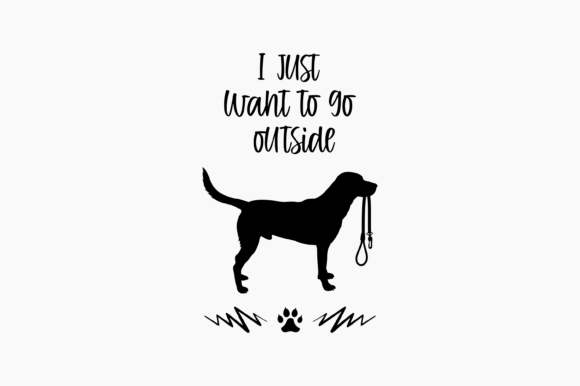
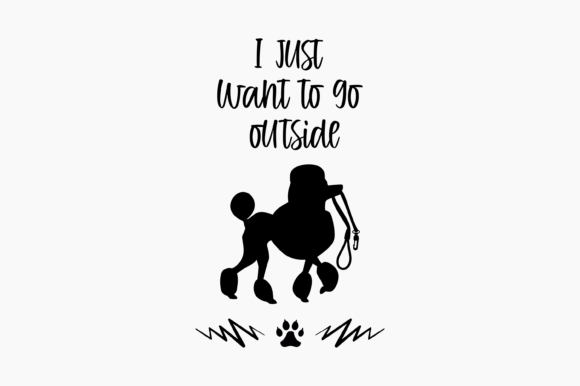
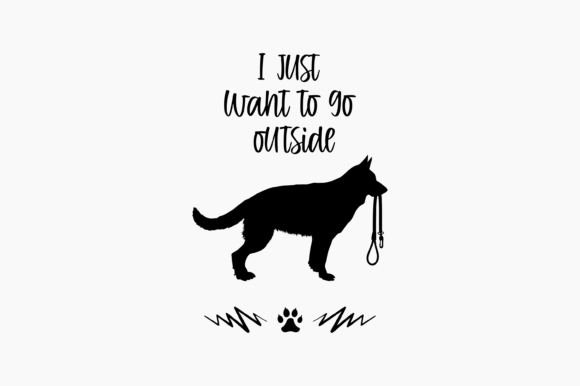
The design captures a specific mood—expectant, slightly impatient, deeply recognizable. The German Shepherd silhouette is posed in a way that feels natural rather than stiff, with the head angled toward the door as if waiting. The phrase “Ask to Go Outside” sits alongside the image in a clean, easy-to-read arrangement. The overall layout is balanced without being crowded, which matters enormously when you move from a digital preview to actual stitching.
The detail level is moderate. You get enough shape definition in the dog’s ears, snout, and posture to read clearly as a German Shepherd, but nothing so fine that it disappears in thread. This is a design that respects what embroidery can and cannot do. The visual personality is playful but not cartoonish, warm but not saccharine. It feels like something a dog owner would smile at and immediately want on a sweatshirt or tote bag. For a crafts project, that emotional connection is everything.
Real Case: Building a Custom Embroidered Tote Bag
Let me walk you through a real scenario. I recently used Dog German Shepherd Ask to Go Outside to create a personalized tote bag for a client who wanted a gift for her neighbor—a dedicated German Shepherd owner. The client wanted something useful, not just decorative. I chose a mid-weight cotton canvas tote in natural beige. The design needed to hold up to grocery runs, library trips, and daily use.
I tested the embroidery file on a scrap piece of similar fabric first, using a medium-weight cutaway stabilizer. The stitch-out was clean and confident. The satin stitch outlines on the lettering held their shape without puckering, and the fill stitch areas in the dog’s body gave enough density to feel substantial without becoming stiff. The finished tote looked professional—the kind of product you could sell at a craft fair or list on Etsy without hesitation. My client was thrilled, and the recipient immediately recognized the humor and affection in the design.
How It Performs Across Real Projects
This design is flexible enough to work on a wide range of products, but not all applications are equal. Let me break down what I have seen work well and what requires caution.
Where It Shines
- Sweatshirts and hoodies: The design size works naturally on the front chest area. The stitch density is moderate enough to avoid distorting knit fabrics when properly stabilized. I recommend a tear-away stabilizer for fleece and a cutaway for sweatshirt knits.
- T-shirts: On cotton or cotton-blend tees, the design stays crisp. Use a lightweight cutaway stabilizer and a ballpoint needle to protect the fabric. The design does not pull or distort when hooped correctly.
- Tote bags: As I mentioned, this is a natural fit. The design sits well on both small and large tote panels. I like using a medium-weight cutaway stabilizer and a 90/14 needle for canvas or cotton tote material.
- Patches: If you sew patches, this design outlines cleanly. I have stitched it as a standalone patch with a satin stitch border, and it trimmed beautifully. It would work for iron-on or sew-on patches for jackets, backpacks, or leashes.
- Pillow covers and tea towels: Home décor is another strong category. The dog theme fits kitchen towels, and the playful phrase works on accent pillows for a dog-themed room or gift.
Where to Use Caution
- Caps and curved surfaces: This design has enough width that fitting it onto a standard cap front requires checking the hoop size first. If you use a 4x4 hoop, you may need to scale the design down, which could affect readability of the lettering. Test this before committing to a cap order.
- Baby clothes: The design is not overly large, but it may still be too big for newborn or 0-3 month sizes. On a toddler tee or romper, it works well at a reduced scale. Just be sure the lettering remains legible after resizing.
- Very small hoops: If you are working with a mini hoop (like 2x2 or 3x3), the full design will not fit without significant shrinking. At that point, the dog shape loses definition and the text becomes hard to read. I recommend a 4x4 hoop as the minimum, and a 5x7 hoop for comfortable placement.
- Dark fabrics: The design relies on contrast between the thread colors and the background. On black or very dark fabric, the lighter elements will pop, but if you use dark thread colors, the dog silhouette can disappear. Plan your thread palette carefully. I prefer a light beige or cream for the dog body and a strong contrasting color for the text.
- Stretchy fabrics: Performance knits, jersey, and some spandex blends require extra care. Use a cutaway stabilizer and a stabilizer topper to prevent the stitches from sinking into the fabric. Test a sample before stitching the final product.
Impact on Visual Appeal and Product Value
A design like Dog German Shepherd Ask to Go Outside directly affects how customers perceive your finished product. Clean stitching, clear shapes, and readable text signal quality and care. When I present a finished item using this design, people notice the precision. The satin stitch lettering is smooth and even, and the dog silhouette reads immediately. That clarity builds trust. A customer who buys an embroidered sweatshirt with this design feels like they received something handmade, not something slapped together.
For small shop owners and Etsy sellers, this design offers strong giftability. Dog owners love items that reference their specific breed. A German Shepherd owner will recognize the posture and the sentiment instantly. That recognition drives engagement and sales. The design also works for holiday gifts—think Christmas presents for dog-loving relatives, or a “just because” gift for a friend. The humor is gentle enough to feel affectionate, not mean.
From a branding perspective, using this design consistently across products—tote bags, sweatshirts, patches, mugs with a printable mockup—creates a recognizable style. Customers start associating your shop with clever, breed-specific embroidery. That is valuable for a graphics and crafts business.
Practical Embroidery Designer Notes
Before you commit to a production run, here is what I always check with this type of design:
- Test on scrap fabric first. Every fabric behaves differently. Stitch a sample on the exact material you plan to use, with the same stabilizer and needle. This step saves heartache later.
- Check thread color contrast. Place your chosen thread colors against the fabric in natural light. If the dog silhouette blends into the background, pick a lighter or darker shade. Contrast is everything for readability.
- Review stitch density. While the design is not overly dense, you should still confirm that the fill areas do not cause puckering on lightweight fabric. If the fabric is thin, use a lighter stabilizer or reduce the density slightly in your software if possible.
- Confirm hoop size. Measure the design dimensions against your hoop before hooping. A 4x4 hoop is the practical minimum. For larger products like a tote bag or hoodie back, a 5x7 or larger hoop gives you placement flexibility.
- Inspect small details. Look at the dog’s ear shapes and the lettering. If any elements are too small for your fabric texture, consider scaling up slightly. On textured fabrics like fleece or terry, fine details can blur.
- Test black and white mockups. Before stitching, view the design in grayscale. This helps you see whether the value contrast is strong enough. If the design looks muddy in grayscale, adjust your thread choices.
- Use proper stabilizer. For most garments, a cutaway stabilizer provides lasting durability. For items that will be washed frequently, like kitchen towels or baby gifts, a cutaway is essential. Tear-away works for stable fabrics like canvas but not for knits.
- Check licensing before selling. This is a digital item for instant download described as offering unlimited use for making your own stickers, T-shirts, mugs, or other items. However, if you plan to sell finished embroidered products or digital design assets based on this file, confirm the specific commercial license terms. Not all “unlimited use” licenses cover mass commercial production or redistribution. When in doubt, contact the seller.
- Test on light and dark fabric backgrounds. The same thread colors can look completely different on white versus black fabric. Stitch two samples and compare. This also helps you decide which thread palette to use for different products in your shop.
Final Thoughts for Crafters and Small Business Owners
Dog German Shepherd Ask to Go Outside is a reliable, audience-tested design that performs well in real embroidery work. It is not trying to be overly complex or artistic—it is functional, charming, and built for products people actually want to buy and use. Whether you are stitching a one-of-a-kind personalized gift for a dog owner, building an inventory of breed-specific apparel for your Etsy shop, or creating patch sets for a craft fair, this design delivers clean results and strong customer appeal.
The key to success with any embroidery project is preparation. Test your materials, confirm your hoop size, choose your thread colors with contrast in mind, and always verify your license terms before selling finished items. When you do those things, designs like this one become reliable workhorses in your craft business. They let you focus on production and customer satisfaction instead of troubleshooting stitchouts.
For a crafts project that combines humor, breed recognition, and clean embroidery performance, Dog German Shepherd Ask to Go Outside earns my recommendation. It is the kind of design that makes you look good as a maker and keeps your customers coming back.