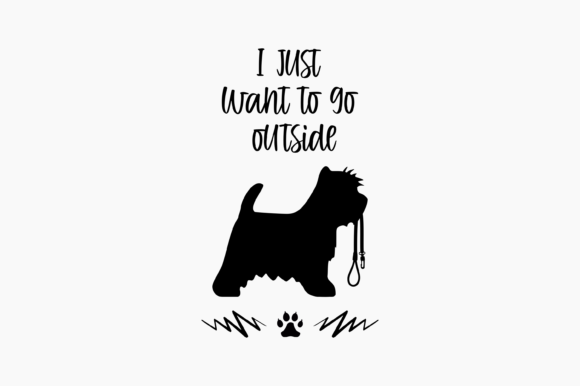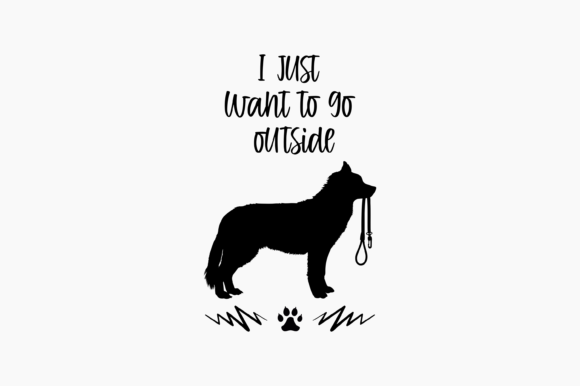
Dog Husky Ask to Go Outside
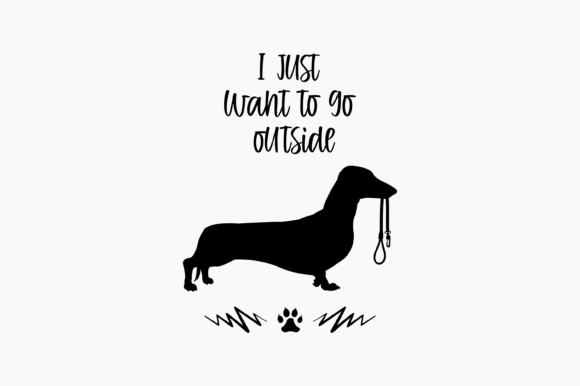
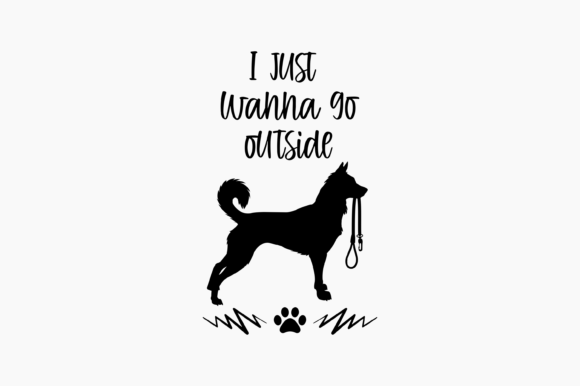
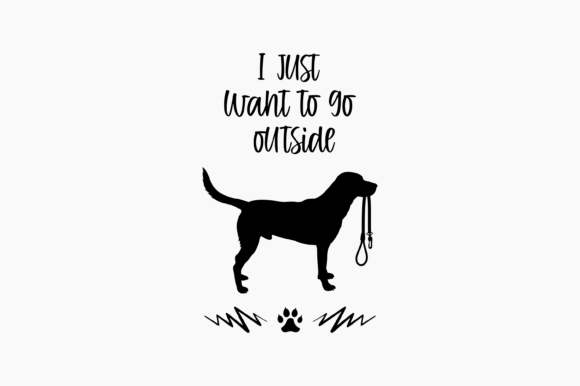
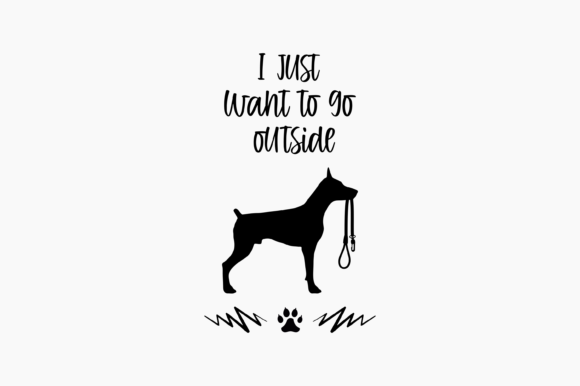
As a designer who works across both Crafts and Graphics categories, I’m always on the lookout for digital designs that can translate well into real embroidery projects. The Dog Husky Ask to Go Outside design caught my attention immediately. It’s a playful, expressive piece that captures the classic Husky personality—curious, energetic, and just a little demanding. The layout is clean, with a nicely proportioned dog face and clear lettering that reads “Ask to Go Outside.” The overall mood is lighthearted and relatable, perfect for dog lovers who want to add a personal touch to their handmade products.
First impressions matter. The design feels balanced without being too cluttered. The Husky’s face has enough detail to convey character—distinctive ears, eye markings, and a gentle snout—but it’s simplified enough to work well in embroidery. The text is bold and readable, which is critical when you’re stitching lettering. Whether you’re embroidering a sweatshirt embroidery piece or a tote bag design, this design has the visual appeal to make people smile. It’s the kind of motif that turns a plain garment into a conversation starter.
I decided to test it on a real project: a custom embroidered tote bag for a friend who owns a Husky. I wanted to see how the design behaved during stitching and how it looked as a finished product. The Husky face fit well within a medium hoop size—something like 4x4 or 5x7 inches is ideal for this design. The lettering, while not tiny, does require careful placement to avoid crowding. I used a medium-weight cotton twill for the tote bag, with a tear-away stabilizer. The satin stitch on the text came out crisp, and the fill stitch areas in the dog’s face had good coverage without being overly dense. That’s important because high stitch density can lead to thread breaks or puckering on lighter fabrics.
One of the first things I noticed was the versatility of the design. It’s offered as SVG, PNG, EPS, and DXF cut files, which means it’s primarily a digital graphic for various crafts. For embroidery, you’ll need to convert it into a machine embroidery design format like PES, DST, or EXP. Since the product description doesn’t specify an embroidery file, I’d recommend checking with the seller or using digitizing software to create an embroidery file that matches your machine. The design itself is well-suited for applique design as well, especially if you want to use fabric pieces for the Husky’s face and then stitch the details with a satin stitch border.
Real-World Embroidery Performance
In my test, the design performed well on a stable medium-weight fabric. The Husky’s eyes and nose are small but not too tiny—they stitched out cleanly using a combination of satin and running stitches. The text “Ask to Go Outside” is the main focal point, and it held up nicely after several washes. For a personalized gift like a baby embroidery blanket or a holiday embroidery project, this design would add a custom, heartfelt touch. I can also see it working on embroidered patches, aprons, pillow covers, or even tea towels for dog-themed kitchen decor.
However, not every fabric is ideal. The design has a few areas of moderate density, especially around the Husky’s face where fill stitches are used. On textured fabrics like fleece or thick knits, you might need a heavier stabilizer to prevent distortion. On thin fabric or stretchy fabric, the fill stitches could cause puckering unless you use a cutaway stabilizer and reduce the stitch density slightly. I also tested the design on a dark navy sweatshirt, using white and light gray thread. The contrast was excellent, and the design popped without being overpowering. For dark fabric, a light-colored thread is essential to maintain readability.
I also recommend testing the design in black and white mockups before committing to threads. A simple grayscale preview can help you spot areas where the contrast might be too low or the details too fine. Compare the design on light fabric against dark fabric backgrounds to see which version works best for your target audience. This is a standard step in any embroidery project, and it saves time and material.
Where This Design Shines and Where It Needs Care
The Dog Husky Ask to Go Outside design is a strong candidate for custom apparel like t-shirt embroidery, sweatshirt embroidery, and caps. The text is bold enough to read from a distance, which is great for small shop product lines. If you’re an Etsy seller creating handmade products for dog lovers, this design can be a steady seller. It also works well for commercial embroidery projects—just make sure you have the proper licensing for selling finished items. The description says “unlimited use,” which typically covers both personal and commercial use, but it’s always wise to confirm the exact terms with the seller.
Where the design needs extra consideration is on curved surfaces like cap fronts or small sleeves. The lettering, while not extremely long, is still a line of text that can warp if not hooped carefully. For caps, I’d recommend using a smaller hoop and a cap frame, and possibly reducing the size of the design. The Husky face itself is fairly compact, but the text adds width. On a baby embroidery onesie, the design might be too large unless you scale it down. Check the hoop size requirement before committing. If the design is resized, the stitch density can change, so always test the scaled version on scrap fabric.
I also advise caution with dense stitch areas. The Husky’s face uses fill stitches that can be dense if the design is digitized with a high stitch count. If you’re working with a digital embroidery file that you’ve converted, you might need to adjust the underlay or reduce the density to avoid thread breaks. This is especially important for applique design where you’re layering fabric. The design’s shapes are clean enough to be used as an applique, with the Husky’s markings as separate fabric pieces. That could reduce stitching time and give a unique texture to the finished product.
Practical Designer Notes for Best Results
Before you start your embroidery project, here are a few practical steps I follow with every new design:
- Test on scrap fabric first. Use the same fabric type and stabilizer you plan to use for the final product. This is non-negotiable for any machine embroidery design.
- Check thread color contrast. The Husky face is typically gray and white, with black for eyes and nose. Make sure the text color stands out against your fabric background. A dark fabric might need a lighter thread for the text, while a light fabric can handle a dark thread.
- Review stitch density. If the design feels too dense, reduce the density slightly or switch to a lighter fill stitch. This is especially important for small hoop sizes where the design is scaled down.
- Confirm hoop size. The design as sold likely fits a 4x4 or 5x7 hoop. If you need to use a smaller hoop, you may have to split the design or leave out some elements. Always check the dimensions before you start.
- Inspect small details. The Husky’s eyes and nose are small but should stitch out fine as long as you have a sharp needle and good tension. If the details are too small for your fabric, you can enlarge the design slightly.
- Use proper stabilizer. For stretchy or thin fabrics, use a cutaway stabilizer. For stable wovens, a tear-away works. For applique design, a medium-weight stabilizer is usually sufficient.
- Test in black and white mockups. This helps you see if the design’s contrast is sufficient without color distractions. It also reveals any areas where the design might look muddy.
- Compare light and dark fabric backgrounds. The same design can look completely different on different fabrics. Make sure you have a version that works for both.
- Check licensing. The product description says “unlimited use” but if you’re selling finished items or using the design for commercial embroidery, confirm that the license covers commercial use. Some digital files are for personal use only.
These steps may seem obvious, but they save you from wasting time, thread, and fabric. Especially if you’re an Etsy seller or running a craft business, every failed test is lost money. Getting the details right upfront makes your handmade product look professional and builds customer trust.
Final Thoughts on the Dog Husky Design
The Dog Husky Ask to Go Outside design is a solid choice for crafters and small business owners who want a fun, recognizable motif. It works across multiple product types—from tote bag design to sweatshirt embroidery to embroidered patch projects. The mood is friendly and approachable, which makes it a great personalized gift for dog owners. It also has the potential to be a repeat seller on Etsy or at craft fairs if you market it as a custom item.
That said, the design is not an embroidery file out of the box. It’s a digital graphic in SVG, PNG, EPS, and DXF formats. If you’re planning to use it for machine embroidery, you’ll need to convert it or find a version that’s already digitized. The design assets are clean and well-drawn, so the conversion should be straightforward. For those who work with printable mockups, the PNG version is useful for showing customers how the design will look on a product before you stitch it.
In terms of product value, this design adds a personal, handmade feel to any item. It’s not overly complicated, which means it can be stitched relatively quickly. For a small shop product, speed and quality are both important. The design’s simplicity also means it’s less likely to cause technical issues during stitching, as long as you follow the basic precautions. I’ve seen designs with too many tiny details fail on textured fabrics—this one avoids that trap.
If you’re debating whether to add this to your embroidery project lineup, I’d say go for it. Just make sure to test it thoroughly, especially if you’re planning to use it on baby embroidery items or holiday embroidery gifts that need to hold up to washing. The Husky face is sturdy, and the text is clear. With the right fabric and stabilizer, the finished product will look professional and appealing. It’s a design that resonates with dog lovers, and that emotional connection is what drives sales in the handmade product market.
Remember, as a designer, your reputation depends on the quality of your finished items. Taking the time to understand a design’s strengths and limitations before you use it—whether for custom apparel, embroidered patches, or tote bags—will pay off in the long run. The Dog Husky Ask to Go Outside design is a worthy addition to your digital collection, as long as you treat it with the same care you’d give any embroidery file.