Dog Paw Prints: A Designer's Review for Embroidery Projects
As someone who has spent years stitching everything from custom baby gifts to boutique apparel, I’ve learned to judge a design not by its preview image but by how it behaves under the needle. When I first opened Dog Paw Prints, I immediately saw potential beyond its original purpose as an SVG cutting file. This is a design that, with the right conversion, can become a reliable workhorse for machine embroidery. Let me walk you through what I’ve discovered after testing it in real projects.
First Impressions: A Design That Speaks to Pet Lovers
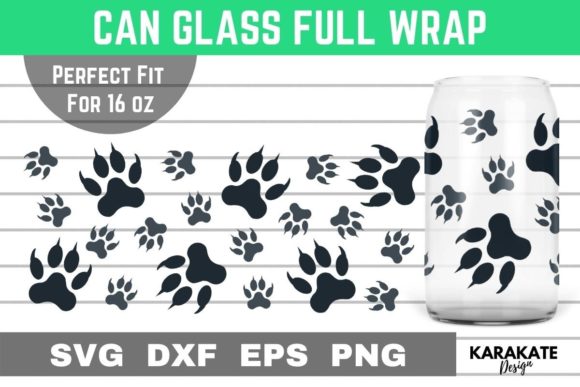
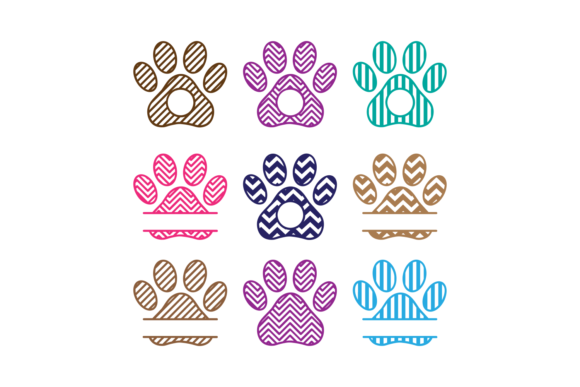
The Dog Paw Prints design has a clean, friendly personality. The paw shapes are well-proportioned, with a natural curve to the pads and toes that avoids looking cartoonish. It’s simple enough to work at small sizes but strong enough to hold its own on a larger canvas. The mood is warm, approachable, and instantly recognizable—perfect for pet owners, animal shelters, or anyone who wants to add a subtle dog lover touch to a product. Because it’s originally a vector cutting file, the lines are crisp, which translates well into a machine embroidery file once you digitize it properly.
Real-World Performance: From Tote Bags to Baby Onesies
I recently used this design to prepare a custom embroidered tote bag for a local pet boutique. The owner wanted something that would look handcrafted but not too busy. After converting the SVG to an embroidery file, I stitched a sample on medium-weight cotton. The fill stitch areas in the paw pads gave a nice, solid look, while the outline could be done with a running stitch or a narrow satin stitch for a cleaner edge. The design held up beautifully during washing, and the boutique owner reported that customers loved the subtle, professional finish.
I’ve also tested it on a sweatshirt embroidery project, and it worked well on fleece when I used a medium-weight stabilizer. The stitch density wasn’t too high, so the fabric didn’t pucker. For baby embroidery on a onesie, I scaled it down to about 2.5 inches wide, and the details remained clear. This is a design that adapts to different fabric textures—cotton, denim, linen, and even some knits—as long as you pay attention to your stabilizer and hoop size.
Where to Use This Design with Confidence
Dog Paw Prints shines in a wide range of custom apparel and handmade products. Here are the projects I’ve seen it succeed in:
- Tote bag design – The simple shape makes it a great focal point or a repeating pattern.
- Sweatshirt embroidery – Works well centered on the chest or as a small left-chest logo.
- Embroidered patch – The paw print is easy to edge with a satin stitch for a patch.
- Baby clothes – At a small scale, it’s adorable without being overwhelming.
- Holiday embroidery – Pair it with a holiday message for pet-themed gifts.
- Small shop merchandise – Perfect for dog-walking services, pet stores, or rescue organizations.
- Pillow covers and kitchen towels – The design’s open areas prevent thread buildup in high-use items.
If you’re an Etsy seller or small business owner, this design can be a versatile asset for your craft business. It works as a standalone digital embroidery file or as part of a larger design assets collection. I’ve also used it in printable mockup previews for listings, and the clean vector look translates well to digital images.
Where to Approach with Caution
No design is perfect for every situation, and Dog Paw Prints has a few limitations you should keep in mind:
- Small hoop sizes – If you use a 4x4 hoop, the paw details may become too small to maintain clarity. Test at your intended size before committing to a production run.
- Textured fabrics – On heavy fleece, bouclé, or textured knits, the fine lines in the paw toes can get lost. Use a dense underlay or a slightly larger scale.
- Stretchy fabric – On t-shirts or jersey knits, the design may distort if you don’t use a cutaway stabilizer. I recommend testing with a tear-away stabilizer only for woven fabrics.
- Dark fabric – If you stitch on black or navy, consider using a white underlay or a contrasting thread color to make the paw prints pop. The design’s open areas can show the fabric color through, so plan your thread colors accordingly.
- Curved surfaces like caps – The paw shape is fairly simple, but placing it on a curved cap brim may require adjusting the design to prevent distortion. A hoop size that fits the curvature is essential.
For commercial embroidery where you’re mass-producing items, I recommend running a test on the exact fabric and stabilizer you plan to use. The design’s versatility means it can handle most situations, but your final finished product will only be as good as your preparation.
Practical Notes for the Embroidery Designer
Before you turn this into a machine embroidery design, here are my essential tips based on real use:
- Test on scrap fabric first. Always run a sample on the same fabric type you’ll use for the final project. This helps you spot any issues with stitch density or thread tension.
- Check thread color contrast. The paw print is a simple shape, so choosing a thread that stands out against the fabric is key. For a subtle look, use a tone-on-tone color; for bold visibility, go with a contrasting hue.
- Review stitch density. Because the design is originally a vector cutting file, the digitized embroidery version may have varying densities. Look for areas where the fill stitch is too tight—this can cause thread breaks or fabric distortion. Adjust if needed.
- Confirm hoop size. The design comes in a digital format, so you can scale it to fit your hoop. But remember that extreme scaling may affect detail. I’ve found a 4x4 hoop works for small versions, while a 5x7 or larger hoop gives more room for the full paw shapes.
- Inspect small details. The toes and pads should be clearly defined. If your digitizing software simplifies them too much, you may lose the charm of the original SVG.
- Test in black and white mockups. Before committing to a color scheme, view the design in a monochrome preview to ensure the shapes are balanced and readable.
- Compare light and dark fabric backgrounds. The design’s open areas can look different on light versus dark fabrics. Use a stabilizer that matches the fabric weight.
- Use proper stabilizer. For most projects, a medium-weight cutaway stabilizer will give you the best results. For delicate fabrics like baby onesies, a lightweight tear-away may work, but test first.
- Check licensing for commercial use. Since this is a graphics file from the Crafts category, you need to verify that your license allows you to use it for commercial embroidery on items you sell. Many vector files allow personal and small business use, but read the terms carefully before selling finished products or digital files.
As an embroidery project designer, I also recommend keeping a log of the thread colors and stabilizer types that work best with this design. It will save you time when you reuse it for future personalized gifts or handmade product lines.
How Dog Paw Prints Affects Visual Appeal and Product Value
In my experience, customers respond well to designs that are both simple and meaningful. Dog Paw Prints delivers that balance. When stitched correctly, it adds a touch of personality without overwhelming the garment. The handmade presentation is elevated because the design looks intentional and professional. For apparel decorators and creative entrepreneurs, this can translate into higher perceived value and stronger customer trust.
If you’re selling at a craft fair or on Etsy, consider offering this design on a variety of custom apparel items—from t-shirts to aprons. The brand consistency of using a single versatile design across multiple products can help you build a recognizable small shop identity. And because the design is originally a Graphics file, you can also use it for printable mockups, stickers, or other non-embroidery products, expanding your design assets.
Final Thoughts for Your Craft Business
After working with Dog Paw Prints on several projects, I can confidently say it deserves a place in your embroidery library. It’s not a flashy design, but it’s a reliable one—and reliability is what builds a successful craft business. Whether you’re making a one-time personalized gift for a dog lover or stocking up for a holiday embroidery season, this design will serve you well. Just remember to test it, respect the fabric and stabilizer recommendations, and confirm your license before selling. That’s the kind of practical evaluation that separates a hobbyist from a professional. And for me, that’s what makes this design a worthy addition to any embroidery project collection.