Funny Cat and Dog Eating Pizza
When you work with embroidery day in and day out, you start to recognize which designs will stitch out clean and which ones will fight you the whole way. I've been reviewing machine embroidery designs and graphics for years, and I've learned that a great concept doesn't always translate into a great finished product. So when I came across the Funny Cat and Dog Eating Pizza digital image, I wanted to evaluate it the same way I would any embroidery file: with an eye on real project use, customer appeal, and stitching behavior. This design comes as a graphic intended for cutting machines like Cricut and Silhouette, but its visual personality makes it worth considering for embroidery adaptation as well. Let me walk you through what I found.
First Look: What This Design Communicates Before You Stitch
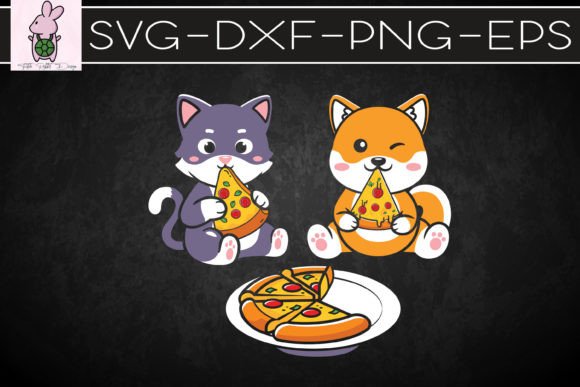
The first thing that struck me about Funny Cat and Dog Eating Pizza is how much personality it packs into a simple scene. You have a cat and a dog sharing a slice of pizza, and the playful, slightly mischievous mood is immediately clear. This isn't a formal or sentimental design. It is casual, humorous, and full of character. That kind of emotional tone is gold in the craft business world. Customers walking into a small shop or scrolling through Etsy listings respond to designs that make them smile. This graphic does exactly that.
From a layout perspective, the design feels balanced without being stiff. The cat and dog sit naturally together, and the pizza slice gives the eye a clear focal point. The detail level is moderate. There are enough elements to make the scene interesting, but nothing so intricate that it would become a headache in stitch form. That kind of middle ground is exactly what I look for when I consider turning a graphic into an embroidery project. It has visual complexity without crossing into the zone where tiny details get lost in the fabric.
The overall shape is roughly horizontal, which makes it versatile for a range of products. It fits well on the front of a sweatshirt, the center of a tote bag, or the face of a pillow cover. The mood is warm and accessible, and that matters when you are designing for a broad customer base. Whether the buyer is a young parent, a pet lover, or someone looking for a quirky gift, this design speaks to them without trying too hard.
Testing It on Real Products: From Tote Bags to Sweatshirts
I ran this design through a mental checklist of real products I have made over the years. The first project that came to mind was a custom embroidered tote bag. A sturdy cotton canvas tote with this graphic in the center would be a strong seller at a craft fair. The horizontal layout fits the bag front nicely, and the playful pet theme resonates with a huge audience. I could see someone buying it as a gift for a friend who has a cat and a dog, or as a treat for themselves.
Next, I pictured it on a sweatshirt. Sweatshirt embroidery is one of the most popular product categories in small shop merchandise, and this design would land well there. The humor is subtle enough that it works on apparel without feeling like a costume. It feels like something you would wear on a casual weekend or while running errands. That kind of everyday wearability is what turns a one-time sale into repeat business.
I also considered it for baby embroidery. This might not be the first category that jumps to mind, but hear me out. A onesie or a baby blanket with this cat and dog scene could be a hit for new parents who love pets. The design is cute without being saccharine, and it avoids the overly trendy motifs that date quickly. For a personalized gift, it offers a sweet, memorable image that feels thoughtful.
Patches are another natural application. An embroidered patch with this graphic would look great on a denim jacket, a backpack, or a cap. Because the design is not overly dense, it would stitch cleanly as a patch and hold up well to wear. I have made plenty of patches over the years, and the stitch density here feels manageable for that format. You could sell it as a standalone patch or sew it onto finished products for extra value.
Holiday gifts, aprons, kitchen towels, pillow covers, and even caps all feel like viable homes for this design. The key is that the playful pet theme has a broad emotional appeal. It is not polarizing, and it works across age groups. That is a rare quality in any design asset, and it makes this graphic worth testing in multiple product lines.
Where This Design Shines and Where It Needs Caution
No design is perfect for every situation, and I have learned to be honest about limitations. Funny Cat and Dog Eating Pizza performs best on medium-weight fabrics with good stability. Cotton, cotton-poly blends, canvas, denim, and sweatshirt fleece all work well. The moderate detail level means the design stays crisp without requiring excessive stitch counts that could distort the fabric.
You should be cautious with small hoop sizes. If you try to scale this design down too much for a tiny area like a cuff or a collar, the cat and dog faces could lose clarity. The pizza slice, in particular, has some subtle shapes that need room to read properly. I would not recommend hooping this in anything smaller than a 4x4 unless you test it first on scrap fabric. Even then, be prepared to simplify some details if you are adapting it for very small products.
Textured fabrics like fleece, chenille, or heavy knits can also be tricky. The design has enough fill area that textured backgrounds might compete with the stitch details. If you are working with a textured fabric, consider using a dense stabilizer and a layer of cutaway backing to keep the stitches from sinking into the pile. I have ruined more than one project by underestimating how much a fluffy fabric can swallow fine details.
Stretchy fabrics like jersey knit or ribbed materials require extra care. The horizontal orientation of the design helps a little, but any embroidery on stretch fabric needs proper stabilization to prevent puckering. I always recommend testing on a swatch before stitching a finished garment. Thin fabrics also demand caution. If the fabric is sheer or lightweight, the density of the fill stitches might show through to the back. A tote bag or a patch is no problem, but a delicate blouse or a lightweight t-shirt might need a softer approach.
Dark fabrics are another consideration. The design relies on contrast between the cat, dog, and pizza elements. If you stitch it on black fabric with dark thread colors, the image could become muddy. Light or bright thread colors pop best on dark grounds. I would test a black-and-white mockup first to see how the values separate before committing thread colors. That kind of prep work saves a lot of frustration later.
Curved surfaces like caps require some forethought. The design is wide enough that it might not center perfectly on a cap without some adjustment. You could size it down or use a curved hoop system, but I would not recommend this as a first cap project for a beginner. For experienced embroiderers, it is doable with proper hooping and stabilizer choice.
How the Design Affects Product Value and Customer Perception
One of the most overlooked aspects of any embroidery project is how the design influences the perceived value of the finished product. A well-chosen design can make a simple sweatshirt feel like a boutique item. A poorly chosen one can make a high-quality garment look cheap. Funny Cat and Dog Eating Pizza sits in the sweet spot. It has enough charm to elevate a product without looking mass-produced or generic.
Customers trust handmade products that feel intentional. When you stitch a design with clear visual personality, it signals that you put thought into your work. This design helps with that because it is not just a random animal graphic. It tells a little story: a cat and a dog sharing pizza. That narrative element makes the finished product more giftable and more memorable. Buyers remember the story behind the design, and that drives engagement and repeat purchases.
For Etsy sellers and small shop owners, this design works well in product photography. It photographs clearly because the shapes are well-defined and the contrast between elements is strong. That might sound minor, but good product photos are essential for online sales. A design that looks muddy or cluttered in a listing photo will not convert browsers into buyers. This design avoids that problem.
Brand consistency is another factor. If your shop focuses on playful, pet-friendly, or humorous designs, this graphic fits right in. If your brand is more minimalist or formal, it might feel out of place. Knowing your own aesthetic is just as important as knowing the design. I have seen too many crafters buy a popular design and try to force it into a product line where it does not belong. That never ends well.
Practical Notes Before You Commit to a Project
Before I use any new design in a client project or for my own shop inventory, I run through a set of practical checks. Here is what I recommend for anyone considering Funny Cat and Dog Eating Pizza for their embroidery work.
- Test on scrap fabric first. I cannot emphasize this enough. No matter how clean a digital image looks on screen, fabric behaves differently. Stitch a sample on the same fabric type you plan to use for the final product. Check the stitch density, the thread color separation, and the overall clarity. Adjust your thread colors if needed.
- Check thread color contrast. The cat and dog need to be distinct from each other and from the pizza. If you use two similar tones, the image will blend together. I recommend using a dark outline or a satin stitch border to separate the main shapes.
- Review stitch density. If you are adapting this graphic into an actual embroidery file, confirm that the density is appropriate for your fabric. Dense designs work well on stable fabrics but can cause puckering on lightweight materials. If the density feels too high, reduce it or switch to a lighter fill pattern.
- Confirm hoop size. Measure the design at the size you intend to stitch and make sure it fits comfortably in your hoop with room for stabilizer. Cramming a design into a hoop that is too small leads to registration issues.
- Test in black and white. Print a grayscale version of the design to check value separation. If the cat and dog look the same in grayscale, they will likely blend together when stitched in similar thread tones.
- Compare light and dark fabric backgrounds. Stitch a sample on both a light fabric and a dark fabric to see how the design reads. You may need to adjust thread colors or add an underlay for dark grounds.
- Use proper stabilizer. For most applications, a cutaway stabilizer is safer than tearaway. Cutaway holds the stitches in place over time and prevents distortion after washing. This is especially important for products that will be laundered frequently, like baby items, kitchen towels, and apparel.
- Check licensing before selling finished items. Since this product is described as digital images for Cricut and Silhouette, I recommend confirming the license terms if you plan to sell finished products featuring the design. Some graphics allow commercial use, and some do not. Always verify before you invest time and materials into a production run.
These steps are not optional. They are the difference between a professional finished product and a frustrating disappointment. I have made the mistake of skipping a test stitch more than once, and every time I regretted it. Learn from my experience rather than repeating it.
Final Thoughts on Using This Design in Your Work
Funny Cat and Dog Eating Pizza is a design with genuine potential for embroidery projects, apparel decoration, and handmade products. Its playful mood, balanced layout, and moderate detail make it a strong candidate for tote bags, sweatshirts, patches, baby items, and personalized gifts. It photographs well, it tells a story, and it appeals to a wide audience of pet lovers and gift shoppers.
That said, it is not a design you can rush into production without testing. Small hoops, textured fabrics, stretchy materials, and dark backgrounds all require careful planning. The design performs best when you take the time to match it with the right fabric, stabilizer, and thread colors. In the right context, it will elevate your product and delight your customers. Treat it with the same respect you would any custom embroidery project, and it will serve you well.
Whether you are an Etsy seller building your shop inventory, a small business owner creating custom apparel, or a hobbyist making gifts for friends, this design gives you a solid foundation. Pair it with good materials, solid technique, and honest testing, and you will have a finished product that feels intentional and professional. That is what keeps customers coming back and what makes this craft worth doing every single day.