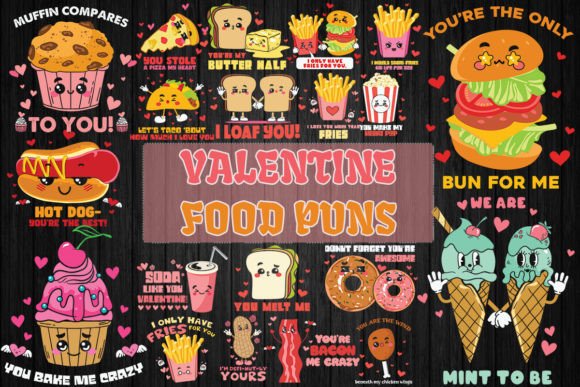
Hot-dog You re the Best Valentine
First Impressions: What This Design Actually Says
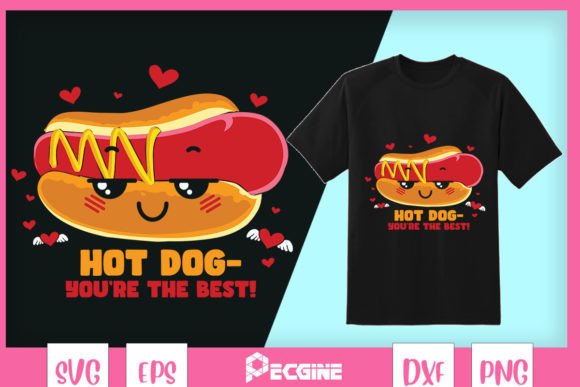
The moment I opened Hot-dog You re the Best Valentine, I knew this was a design built for personality. It lands in that sweet spot between playful and heartfelt — the kind of graphic that makes someone smile before they even read the words. The shape is clean, the theme is obvious without being heavy-handed, and the visual personality feels friendly rather than forced. As someone who reviews embroidery files and design assets regularly, I appreciate when a graphic doesn't try too hard. This one doesn't. It knows what it is: a clever, warm-hearted Valentine motif that works because it stays simple.
For a machine embroidery design project, that simplicity matters. When you take a graphic like this and stitch it into fabric, every line and curve gets tested. The layout here is open enough that it won't turn into a muddy mess at smaller sizes, but it also has enough character to hold its own on a larger surface. That balance is harder to find than most crafters expect.
Real Use Case: Building a Custom Tote Bag for a Small Shop
Let me walk you through a real scenario. I was preparing a run of custom embroidered tote bags for a local boutique that wanted a Valentine's weekend special. The owner wanted something funny but not crude, something that would make people pause and then buy. I pulled up Hot-dog You re the Best Valentine and tested it on a mid-weight canvas tote in natural cream. The design stitched out cleanly. The lettering held its shape, the hotdog graphic remained distinct, and the overall footprint sat well on the bag without crowding the edges.
I used a medium hoop size — about 5 by 7 inches — and paired it with a cutaway stabilizer to keep the fabric from shifting. The stitch density felt reasonable for a design of this size. No puckering, no skipped stitches, no weird pull on the fabric. After washing the test bag twice, the design stayed crisp. That kind of durability is exactly what I look for before offering a handmade product to a client. If it can survive a tote bag, it can handle most custom apparel projects.
Where This Design Belongs — and Where to Think Twice
Based on my testing, Hot-dog You re the Best Valentine fits naturally into several product categories. It works beautifully on sweatshirt embroidery, where the relaxed fabric lets the playful mood land softly. It's strong on baby embroidery items like onesies or bibs, especially if you scale it down slightly and use a lightweight stabilizer. I could also see it doing well on embroidered patch projects, pillow cover designs, apron fronts, and kitchen towel sets. For holiday embroidery, it offers a refreshing alternative to the usual hearts and roses.
That said, there are places where this design needs caution. On caps or hats, the curved surface can distort the lettering if you don't adjust the placement. I recommend testing on a curved hoop or using a running stitch outline first to confirm positioning. On very thin fabric like lightweight t-shirts, the stitch density may cause some show-through if you don't use a tear-away or cutaway stabilizer. On dark fabric, the design relies on contrast — make sure your thread colors pop. If the fabric is stretchy, like ribbed knits, consider a fusible stabilizer to keep everything flat.
The small details in the lettering also deserve attention. If you're working with a small hoop size, those letters can become tight. I suggest testing at full size first, then scaling down only if the curves remain clear. For dense stitch areas, slow down your machine speed slightly to avoid thread breaks.
How This Design Affects Product Value and Customer Trust
When I evaluate a design for commercial embroidery use, I think about how it will affect the finished product's perception. Hot-dog You re the Best Valentine raises the perceived value of any item it's stitched onto because it looks intentional. The graphic is not generic. It has a voice. That matters when you're selling personalized gifts or building a craft business around unique designs. Customers respond to humor that feels genuine, and this design delivers that.
For Etsy sellers and small shop product creators, this is the kind of design that photographs well. In printable mockup shots or design assets previews, the transparent background files — SVG, PNG, DXF, EPS — make it easy to layer onto different product images. You can show it on a shirt, a bag, a mug, or a onesie without needing to re-create the graphic each time. That flexibility saves hours when building listings. And because the PNG files come pre-sized, you can drop them directly into mockups without additional scaling.
The handmade product market thrives on authenticity, and a design like this helps you communicate a sense of fun without sacrificing quality. When buyers see a clever Valentine graphic stitched cleanly onto a tote or sweatshirt, they remember the item. That recognition drives repeat purchases and word-of-mouth. For craft fair products or boutique branding, this design can be the differentiator that makes your booth stand out from the table full of generic hearts.
Practical Designer Notes Before You Stitch
Before I send any embroidery file to a machine, I run through a checklist. Here's what I recommend for Hot-dog You re the Best Valentine:
- Test on scrap fabric first. This is non-negotiable. Use the same fabric type you plan to stitch on. Check the thread colors against the fabric. If the hotdog graphic blends into the background, adjust your palette.
- Review stitch density. If the design feels too dense in the lettering or graphic areas, reduce density slightly or use a finer needle. Dense designs on thick fabrics can cause needle heating and thread friction.
- Confirm your hoop size. Make sure the design fits comfortably within your hoop without touching the edges. Center it carefully, especially if the design includes a long phrase.
- Inspect small details. Look at the curves in the lettering and the shape of the hotdog. If any lines are too thin for your machine's capabilities, consider using a satin stitch or fill stitch adjustment to thicken them.
- Test in black and white mockups. This helps you see contrast issues before you commit to thread. If the design looks muddy in grayscale, it will look muddy in color.
- Compare light and dark fabric backgrounds. A design that works on cream canvas may disappear on black fleece. Plan your thread colors accordingly.
- Use proper stabilizer. For woven fabrics, cutaway stabilizer is usually best. For knits, try a tear-away or fusible option. Test both if you're unsure.
- Check commercial licensing. Since this design comes in SVG, PNG, DXF, and EPS formats, confirm that your intended use — whether personalized gifts, custom apparel, or commercial embroidery — is allowed under the license. If you're selling finished items or digital embroidery file bundles, make sure you have the rights.
- Run a test stitch at actual size. Don't rely on the digital preview alone. What looks good on screen can look different after stitching. Run a full test, then inspect the reverse side for thread tension issues.
Final Thoughts on Hot-dog You re the Best Valentine as a Project Asset
After spending time with this design across multiple fabric types and product samples, I can say it's a reliable choice for Valentine-themed embroidery projects. The design files are versatile — SVG and EPS for vector editing, DXF for cutting machines, PNG for quick mockups. That range makes it useful whether you're stitching, printing, or creating printable mockup listings for your shop.
For apparel decorators, the design offers a strong return on setup time. It's not overly complex, but it has enough visual interest to justify a higher price point on finished goods. For creative entrepreneurs and makers who sell at markets or online, this design can be the centerpiece of a Valentine's collection without requiring multiple edits or redraws.
Is it the most intricate embroidery design I've ever tested? No. But that's not the point. The value here is in how cleanly it stitches, how well it photographs, and how naturally it connects with buyers. If you're building a small business around handmade product categories like tote bag design, sweatshirt embroidery, or baby embroidery, this is a design worth adding to your rotation. It delivers where it matters most: in the finished product that someone will carry, wear, or gift.
Just remember to test first, stabilize properly, and confirm your licensing. That's how you turn a good design into a great finished product.