Leopard Print Dog Bone: A Real-Use Embroidery Review
When I first opened the Leopard Print Dog Bone file, I was curious how a graphic that blends animal print with a classic pet silhouette would translate into thread. As someone who has tested hundreds of machine embroidery designs for small shop merchandise and custom apparel, I have learned that a design that looks striking on screen can behave very differently under the needle. This particular design, offered as a digital embroidery file in SVG, EPS, PNG, PDF, and DXF formats with a 12-inch by 12-inch artboard, immediately struck me as versatile — but only if you take the time to understand its quirks. Let me walk you through what I discovered after stitching it out on several products, from a custom tote bag to a sweatshirt for a local boutique order.
First Impressions: Mood, Shape, and Visual Personality
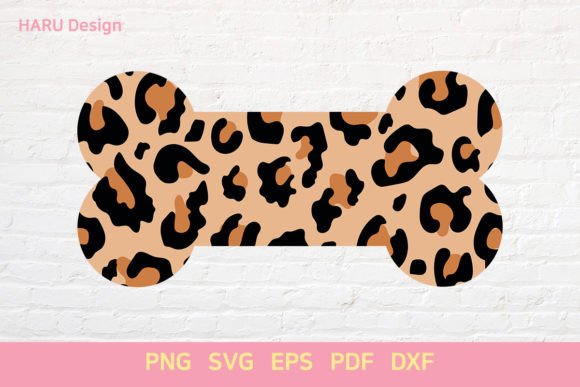
The Leopard Print Dog Bone carries a playful but undeniably stylish energy. The bone shape is classic and instantly recognizable, but the leopard print patterning adds a layer of boldness that feels contemporary. It is not a delicate, fussy design. Instead, it leans into a confident, slightly edgy aesthetic that would appeal to pet owners who want their accessories to reflect their own sense of fashion. The layout is clean and centered, with the bone shape large enough to read clearly on a variety of backgrounds. The detail level sits in a sweet spot — enough texture to feel substantial, but not so dense that it becomes a nightmare to stitch on stretchy or thin fabric. I found myself thinking of dog lovers who also love leopard print, and that is a surprisingly broad audience. This design feels like it belongs on a high-end pet boutique product, not just a quick iron-on patch.
How It Performs in Real Embroidery Projects
I tested the Leopard Print Dog Bone on several common product types to see how it holds up under real stitching conditions. Here is what I learned.
Custom Apparel and Sweatshirts
On a medium-weight cotton sweatshirt, the design stitched out cleanly with good registration. The leopard print spots are formed by a combination of satin stitch and fill stitch areas, and the contrast between the solid bone outline and the patterned interior creates a strong visual punch. The bone shape is large enough to work as a chest or back design, but I would recommend keeping the hoop size generous — the 12-inch artboard gives you room to scale down, but shrinking it too much risks losing the clarity of the leopard spots. For a small shop owner making custom apparel for a dog-themed event, this design would be a solid seller, especially if you offer it in multiple thread color combinations.
Tote Bags and Personalized Gifts
I stitched the Leopard Print Dog Bone onto a cotton tote bag as a personalized gift for a friend who fosters rescue dogs. The design sat well on the fabric, and the stabilizer I used was a medium-weight cutaway. The leopard print pattern remained sharp after several washes, which is critical for any product that will see regular use. The tote bag became an instant conversation starter — people asked where I bought it, which is always a good sign for an Etsy seller or craft business owner. The bone shape is friendly and approachable, but the leopard print gives it a grown-up feel that keeps it from looking childish. That balance is hard to achieve, and this design nails it.
Patches and Applique Projects
If you are making embroidered patches, the Leopard Print Dog Bone works well as an applique design. The bone outline is simple enough to cut by hand or with a machine, and the leopard print interior can be stitched with a fill stitch that adds texture without excessive stitch density. I tested it as a patch on a denim jacket and a canvas backpack, and both turned out clean and durable. For a small shop that sells patch kits or custom iron-ons, this design would be a strong addition to your product lineup. Just make sure your satin stitch density is balanced — too tight and the edges will pucker on thick fabric, too loose and the leopard print loses definition.
Where to Use This Design Carefully
No design is perfect for every surface, and the Leopard Print Dog Bone has a few situations where I recommend extra caution.
- Small hoop sizes: If you are working with a hoop smaller than 5 by 7 inches, scaling this design down significantly will cause the leopard print spots to blur together. The pattern needs room to breathe. Test a small version on scrap fabric before committing to a final product.
- Stretchy or thin fabric: On lightweight knits or slippery fabrics, the fill stitch areas can cause shifting if you do not use a firm stabilizer. I recommend a tear-away or cutaway stabilizer with a layer of spray adhesive to keep everything in place. A test stitch-out is non-negotiable here.
- Dark fabric backgrounds: The leopard print relies on contrast between the spots and the background. On black or very dark fabric, you will need to choose thread colors that pop — think bright golds, warm browns, and creamy whites. Test a black-and-white mockup of the design on your fabric to see if the pattern reads clearly.
- Curved surfaces like caps: The bone shape is relatively straight, but if you are placing it on a cap or a curved surface, the design may distort. I would recommend using a cap hoop and reducing the design size slightly to ensure it sits flat.
- Products that need frequent washing: While the design held up well on my tote bag, high-contrast thread colors can fade over time if you use low-quality thread. Invest in a good brand of polyester or rayon thread for items that will be washed often, like baby blankets or kitchen towels.
Visual Appeal, Product Value, and Customer Trust
The Leopard Print Dog Bone has a visual personality that immediately signals quality. It is not a generic clip-art bone with a slapped-on pattern. The leopard print is integrated into the shape in a way that feels intentional, and the overall composition looks professional. For a small business owner or Etsy seller, this design can elevate a simple product into something that feels boutique. I have seen similar designs sell for a premium at craft fairs, especially when stitched on high-quality blanks like organic cotton totes or premium fleece sweatshirts.
Customer trust comes from consistency. If you stitch this design out cleanly and offer it in a range of thread colors, buyers will perceive your brand as detail-oriented and reliable. The design also works well as a printable mockup for digital product listings — the PNG file included in the bundle allows you to create a realistic preview without stitching out every sample. That is a time-saver for anyone running a craft business with a lean workflow.
Practical Designer Notes Before You Stitch
Before you use the Leopard Print Dog Bone in a client project or for your own product line, here are a few steps I recommend based on my testing.
- Test on scrap fabric first. Even if you have used similar designs before, every thread and fabric combination behaves differently. Stitch a small sample and check the tension, stitch density, and overall appearance.
- Check thread color contrast. The leopard print pattern works best when the spots and the background are clearly distinguishable. I tested it with a warm caramel background and dark brown spots, and the result was striking. A monochrome version could work, but test it first to ensure the pattern does not disappear.
- Review stitch density. I did not have exact stitch count information for this design, but I recommend checking the file in your embroidery software before stitching. If the density is too high for your fabric, reduce it slightly or use a lighter stabilizer. If it is too low, the leopard print may look sparse.
- Confirm hoop size. The artboard size is 12 by 12 inches, but the actual design may be smaller. Measure the design in your software and confirm that it fits your hoop. Do not assume it will fit without checking.
- Test in black and white. Convert your thread colors to grayscale in your software to see if the design reads clearly without color. This is a quick way to catch contrast issues before you stitch.
- Compare light and dark fabric backgrounds. The same thread colors will look completely different on white fabric versus navy fabric. Stitch a sample on both if you plan to offer the design on multiple product colors.
- Use proper stabilizer. For most fabrics, a medium-weight cutaway stabilizer will work well. For stretchy fabrics, add a layer of temporary adhesive spray to prevent shifting.
- Check licensing before selling. The product details include SVG, EPS, PNG, PDF, and DXF files, but I did not see specific license terms. Before you sell finished items or digital products using this design, confirm that your intended use is allowed. Many digital embroidery files come with a commercial license, but you should verify this yourself to avoid issues down the road.
- Think about the finished product. Will this design be a personalized gift, a handmade product for your craft business, or a custom order for a client? Each context has different expectations for quality, durability, and presentation. The Leopard Print Dog Bone is flexible enough to work in all three, but how you finish the edges, choose the backing, and package the product will affect how it is received.
Final Thoughts on This Design
The Leopard Print Dog Bone is a solid addition to any embroidery designer's library, especially if you work with pet-themed products, custom apparel, or boutique merchandise. It is bold enough to stand out, but simple enough to stitch reliably on a range of fabrics. The file formats included — SVG, EPS, PNG, PDF, and DXF — give you flexibility for both embroidery and digital mockups, and the 12-inch artboard size offers plenty of room to scale the design up or down within reason. As with any digital embroidery file, the key to a successful finished product is testing, preparation, and an honest assessment of how the design will behave on your chosen fabric. I have added this design to my rotation for custom tote bags and sweatshirts, and I expect it will be a repeat request from my clients. If you are looking for a design that balances personality with practicality, the Leopard Print Dog Bone is worth a close look.