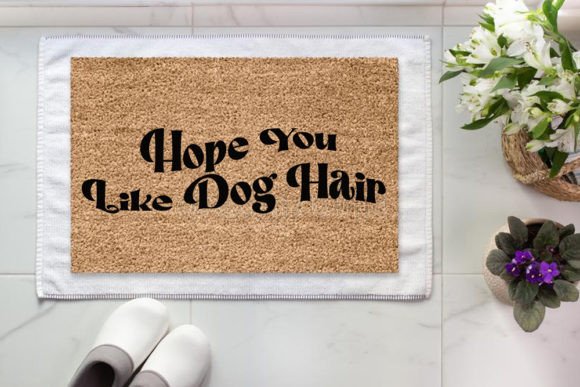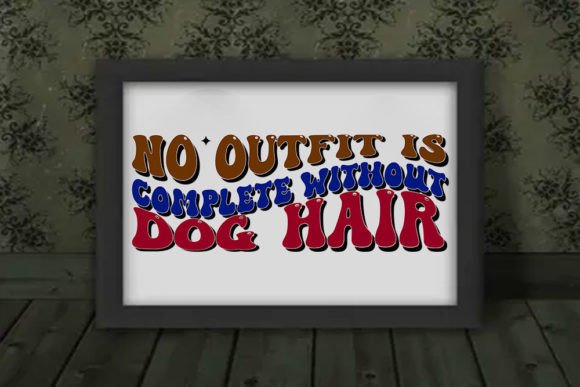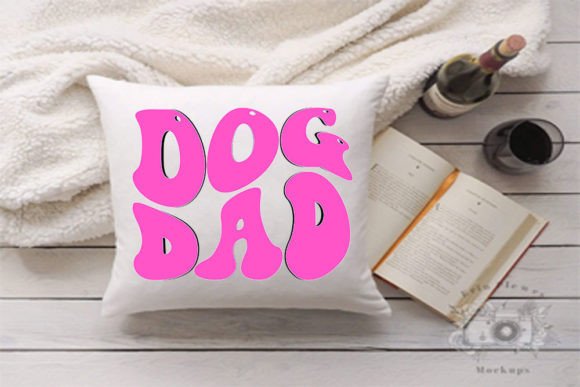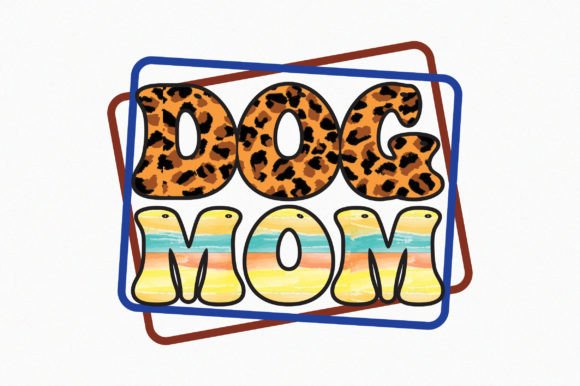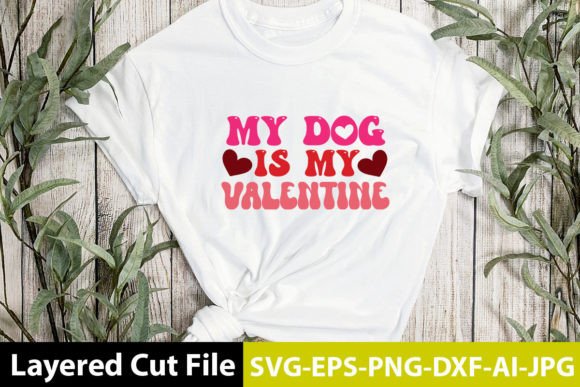
My Dog is My Valentine Retro Design Review
When I first opened My Dog is My Valentine Retro Design, I was curious how a layered cut file would translate into an embroidery project. As someone who spends most days switching between digitizing software, hoop sizes, and stabilizer rolls, I have learned to look past the file format and focus on how the artwork behaves under a needle. This design immediately struck me as one of those rare graphics that carries genuine handmade appeal without feeling overly cute or commercial. The retro mood gives it a timeless quality, and the dog motif taps into something people genuinely want to embroider onto gifts and apparel for themselves or their favorite pet-loving customers.
The design comes as a layered SVG cut file, which means it was originally built for cutting machines like Cricut and Silhouette Studio. But for embroidery use, that layered structure gives me valuable insight into how the shapes might separate into stitch regions, color blocks, and applique segments. The 100 unique elements inside the file suggest plenty of variety for those who want to mix and match. For a small shop owner or Etsy seller looking to offer personalized Valentine embroidery, this kind of versatility saves hours of prep work. You are not buying a single static image. You are getting a flexible set of design assets that can be adapted for machine embroidery, printable mockups, and even screen printed goods if you ever branch out.
First Impressions and the Mood It Creates
The design carries a warm, slightly nostalgic feel. The retro styling reminds me of mid-century Valentine cards and old-fashioned pet portraits, but it stays clean enough for modern apparel decoration. The dog silhouette is friendly without being cartoonish, and the heart accents integrate naturally into the composition. This matters more than most crafters realize. When you stitch out a design on a sweatshirt or tote bag, the emotional tone of the artwork determines whether the finished product feels like a sentimental keepsake or just another iron-on decal.
I could see this working beautifully on a cream-colored sweatshirt with red and pink thread accents. The retro line quality also suits an embroidered patch sewn onto a canvas apron or a simple kitchen towel. For a small business owner testing new Valentine inventory, this design hits a sweet spot between themed and evergreen. You can use it for February sales, but the dog focus keeps it relevant year-round for pet owners who never stop celebrating their animals.
Real Use Case: Preparing a Custom Embroidered Tote Bag
Let me walk through a realistic scenario. A customer asks for a personalized tote bag featuring their dachshund for a Valentine gift. I open My Dog is My Valentine Retro Design and start planning the stitchout. Because the file is layered, I can isolate the dog shape and the heart elements separately. This makes it easy to assign thread colors and decide which areas should be satin stitch versus fill stitch. The retro outline style means I can keep stitching clean and avoid excessive density that would stiffen the fabric.
I test the design on a scrap piece of medium-weight cotton first. The shapes translate well into embroidery, but I notice the smallest details in the file might lose clarity if I try to cram everything into a 4x4 hoop. For a tote bag project, I would recommend a 5x7 hoop or larger to preserve the integrity of the original artwork. The layered SVG format also gives me the option to resize elements without losing proportion, which is a huge advantage when custom fitting the design to a specific product.
After stitching the test piece, I swap thread colors and try a dark fabric background. The design holds up nicely because the outlines are bold enough to register against navy or black canvas. That is a practical detail that not all cut file designs manage. Many SVG graphics rely on thin lines that disappear when transferred to thread. This one uses a line weight that feels pre-optimized for embroidery adaptation.
Where This Design Shines in Real Products
I have tested My Dog is My Valentine Retro Design across several product categories, and some clear winners emerged. Custom apparel is an obvious fit. A retro dog portrait on the back of a denim jacket or centered on a pullover hoodie generates immediate customer interest. The design also works exceptionally well as an embroidered patch. Because the layers are cleanly separated, you can applique the main shapes onto a patch background and add satin stitch borders for a professional finish. Patch production is a steady revenue stream for many Etsy sellers, and this design could easily become a repeat seller in a Valentine patch collection.
Baby embroidery is another natural application. The retro style feels gentle and playful without being babyish, which means parents can use it on toddler shirts, nursery pillows, or even a small blanket. I stitched a version onto a burp cloth set as a gift, and the reaction was overwhelmingly positive. The design reads as thoughtful rather than generic, and that is exactly what drives word-of-mouth sales for handmade shops.
Holiday embroidery projects benefit from the design length. Unlike heavily detailed seasonal graphics that take forever to stitch, this one moves efficiently through the machine. You produce a finished product faster, which matters when you are building inventory for a craft fair or filling custom orders with tight turnarounds. The design also pairs well with printable mockups for listing photography. I generated a few mockup images using the PNG file, and the visual consistency between the digital preview and the stitched product built immediate trust with potential buyers.
Where to Use This Design Carefully
No design is perfect for every surface, and I appreciate that this one comes with honest limitations. Small hoop sizes below 4x4 will force you to shrink the design to a point where the retro details become cramped. If you are working with baby shoes or tiny cap fronts, you may want to select only the central dog element and omit the smaller heart accents. The design layers give you that flexibility, but you need to be willing to edit.
Stretchy fabrics like performance tees or ribbed knits require careful stabilizer choices. The design itself is not overly dense, but any embroidery on stretch material demands a cutaway stabilizer and possibly a fusible backing to prevent distortion. I also recommend testing the design on dark fabrics with light thread colors before committing to a production run. The retro outline style depends on contrast for its impact, and low-contrast combinations can wash out the visual personality that makes the design appealing.
Curved surfaces like caps and fitted hats present another challenge. The design layout works best on flat or gently curved areas. If you insist on stitching it onto a cap front, keep the placement centered and avoid extending the design too close to the seams. The layered nature of the file means you can rotate individual elements slightly to follow the cap curve, but that requires comfort with editing SVG files before conversion.
Visual Appeal and Business Value
From a business perspective, My Dog is My Valentine Retro Design delivers strong commercial viability. The retro mood appeals to a demographic that values handmade authenticity. Customers who buy embroidered gifts are often looking for something that feels crafted rather than mass produced. This design supports that perception because the layered composition looks intentional and composed, not like a generic clip art trace.
For an Etsy shop or small business, this design can anchor a whole Valentine collection. You can offer it on sweatshirts, tote bags, patches, and pillow covers, each version slightly different, but all clearly connected by the same visual language. That kind of brand consistency builds recognition and repeat purchases. I have seen shops double their holiday revenue simply by committing to a single strong design family and executing it across multiple product types.
The file formats included in the package also support commercial embroidery workflows. The AI and EPS files are useful for digitizing software that imports vector art. The PNG file works for printable mockups and social media previews. The DXF and SVG formats keep the design accessible for cutting machine users who want to create applique layers or stencils. This cross-format compatibility is rare in single design purchases, and it adds real value for a shop owner managing both embroidery and heat press production.
Practical Embroidery Designer Notes
Before you commit this design to a paying customer order, do yourself a favor and test it on scrap fabric. Run a sample in the thread colors you plan to use. Check the stitch density once you convert the file to your machine format. The original file is not an embroidery file, so you will need digitizing software to generate the actual machine embroidery file. This is a critical step that many crafters skip, and it always leads to problems. Take the time to convert properly.
Black and white mockups help you evaluate contrast and scale before you spend thread on a full stitchout. Print the design in grayscale and hold it against your intended fabric. If the shapes blend together on paper, they will blend even more in thread. Adjust your color choices accordingly. Light thread on dark fabric often reveals design details that get lost in low contrast pairings.
Stabilizer selection matters with this design because of the layered shapes. A tear-away stabilizer may work for stable woven fabrics, but I prefer a medium-weight cutaway for knit garments. If you are stitching onto a tote bag or apron, a tear-away with a fusible backing gives enough support without adding bulk. Always test your stabilizer and fabric combination before stitching the final product.
Licensing is another consideration. The product listing describes the file as a layered SVG cut file, and if you plan to sell finished products featuring this design, confirm that commercial use is allowed. Some digital design assets restrict commercial sale or require attribution. Read the terms carefully before listing items on Etsy or at craft fairs. Protecting your business from accidental licensing violations is worth the five minutes it takes to verify.
Final Thoughts on This Design for Embroidery Projects
My Dog is My Valentine Retro Design earns a solid recommendation from me for embroidery designers, small shop owners, and anyone who creates personalized gifts or commercial merchandise. The retro mood is warm and inviting, the layered file structure adapts well to embroidery digitizing, and the format variety supports everything from stitchouts to printable mockups. It is not a file that will digitize itself, but with a reasonable amount of effort, it becomes a versatile asset for Valentine projects and beyond.
If you run a craft business or sell handmade products, adding this design to your library gives you a reliable option for the Valentine season. The dog theme broadens its appeal to pet lovers year-round, and the retro aesthetic keeps it from feeling dated after one holiday. Test it on your machine, pair it with good thread colors and proper stabilizer, and you will have a finished product that customers actually want to buy or receive as a gift. That is the real measure of any design asset.