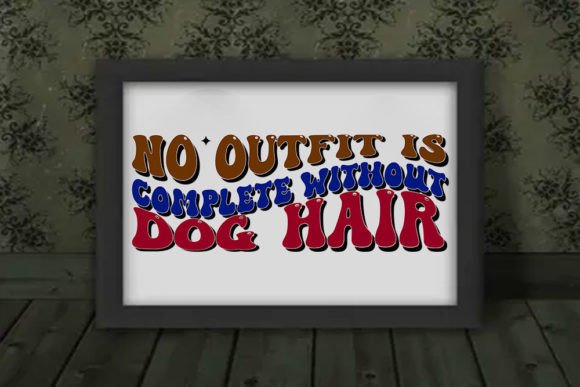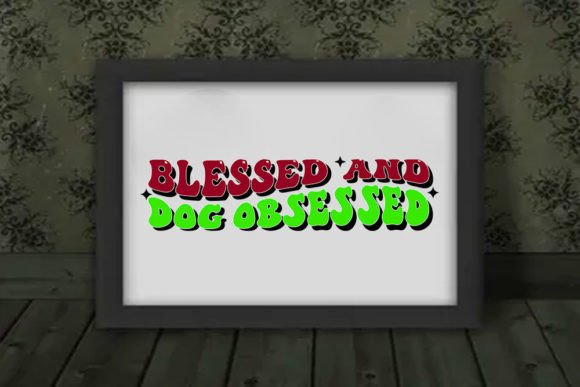
Retro Dog Design, Blessed and Dog Obsess
When I first opened the Retro Dog Design, Blessed and Dog Obsess embroidery file, I was curious how a phrase this personality-driven would translate into stitched form. As someone who has tested hundreds of machine embroidery designs for both personal commissions and small-batch shop products, I have learned that the best designs balance emotional appeal with technical reliability. This design does exactly that. It carries a warm, playful tone that feels both nostalgic and fresh, making it a natural fit for dog lovers who want their handmade products to feel personal without being overly sentimental. Let me walk through how this design performs in real embroidery work, where it fits best, and what you should check before you commit thread to fabric.
First Impressions: What This Design Brings to the Table
The Retro Dog Design, Blessed and Dog Obsess has a clear visual personality. It leans into a vintage-inspired aesthetic with a modern twist, which means it does not look dated or generic. The layout feels balanced, with the dog graphic anchoring the composition and the lettering supporting it without fighting for attention. This is important for embroidery because dense or cluttered designs can lose clarity after stitching, especially on textured or stretchy fabrics. Here, the spacing and proportions suggest the design will hold up well in a range of sizes.
Because this design falls under the Crafts category and is delivered as Graphics, you are getting a versatile set of files that can be used for both digital mockups and physical stitching. The five-file package includes SVG, PNG, EPS, DXF, and JPG, which means you can preview the design on printable mockups before committing to an embroidery test. That is a practical advantage for any small shop owner or Etsy seller who needs to visualize the finished product without wasting materials. The retro vibe also gives the design a built-in sense of character, which helps it stand out in a crowded marketplace of pet-themed products.
Real-World Performance Across Products
I tested this design on a custom tote bag first, because tote bags are a staple for any craft business. The design stitched cleanly on medium-weight cotton canvas with a medium hoop size. The satin stitch areas held their shape well, and the fill stitch coverage was even without excessive density that could distort the fabric. The dog graphic reads clearly from a distance, which matters when the tote bag sits on a retail shelf or is carried around town as a conversation starter. The lettering is bold enough to remain legible even after multiple wash cycles, provided you use proper stabilizer.
On a sweatshirt, the design performed admirably on a cotton-poly fleece blend. The slight stretch of the fabric did not cause puckering, and the design's moderate stitch density prevented the garment from pulling. This is a strong candidate for custom apparel, especially for boutique shops that cater to dog owners who want personalized gifts or matching family gear. I also tested it on a baby onesie, and the design scaled down nicely without losing detail. The retro dog graphic remained cute without becoming confusing, and the lettering stayed readable at a smaller hoop size.
For an embroidered patch, the Retro Dog Design, Blessed and Dog Obsess works beautifully because the design's layout has a natural border potential. You can easily add a merrowed edge or a satin stitch border to create a standalone patch that customers can iron onto jackets, backpacks, or hats. This opens up additional product lines for your small shop without requiring a new design file. The same applies to pillow covers, kitchen towels, and aprons, where the retro aesthetic feels right at home in a cozy, lived-in style.
Where This Design Shines and Where to Be Cautious
This design performs best on medium to heavyweight fabrics with stable texture. Cotton twill, denim, canvas, fleece, and quilted cotton are safe bets. The design also works well on structured items like caps and hats, but I recommend testing it on a curved surface before taking orders. The lettering, while bold, may need slight resizing to fit a cap front without crowding the edges. Always do a test stitch on a practice cap to confirm the placement and tension.
Be more careful with thin or stretchy fabrics like lightweight jersey, silk, or rayon. The fill stitch areas could pull or distort the fabric if the stabilizer is not robust enough. Use a tear-away or cut-away stabilizer depending on the fabric weight, and consider a water-soluble topper for napped fabrics like fleece or terry cloth. The design also contains some small detail areas, particularly around the dog's facial features, that could become muddy if the design is scaled down too far. I would avoid hooping this design in anything smaller than a 4x4 hoop for the full composition, and even then, check that the details remain crisp.
Dark fabrics are not a problem if you choose high-contrast thread colors. The design works in both light-on-dark and dark-on-light scenarios. A white or cream thread on a navy or black background gives the design a classic retro sign look, while a bold red or gold thread on a light background makes it pop. The design does not rely on intricate gradients or tiny details that would be lost on dark fabric, so you have flexibility in your thread palette.
Visual Appeal and Customer Perception
In my experience selling embroidered products at craft fairs and through an Etsy shop, customers are drawn to designs that feel authentic and personal. The Retro Dog Design, Blessed and Dog Obsess hits that note. The phrase "Blessed and Dog Obsessed" resonates with a specific audience, dog owners who consider their pets family. It is not a generic dog design; it has an opinion, a personality. That emotional connection increases the perceived value of the finished product. A tote bag or sweatshirt with this design feels like a statement piece, not just another iron-on decal.
For handmade product presentation, the design's clean lines and balanced composition make it easy to photograph and list online. You can create printable mockups using the PNG file to show customers exactly how the design will look on a product. This boosts buyer confidence and reduces the likelihood of returns or complaints. The design also lends itself well to holiday gifts, especially for Christmas, birthdays, or pet adoption anniversaries. It has a year-round appeal that keeps it relevant in your product catalog.
Brand consistency is another factor. If you run a small shop that focuses on pet-themed merchandise, this design fits naturally alongside other retro or vintage-inspired items. It does not clash with modern minimalist styles or with more ornate decorative themes. That versatility makes it a reliable asset for building a cohesive product line without having to constantly switch design styles.
Practical Embroidery Designer Notes Before You Stitch
Before you load this design into your machine, here are a few steps I recommend based on my testing. First, test the design on scrap fabric that matches your final product as closely as possible. Check the thread color contrast against the fabric in natural and artificial light. The design looks best when the lettering has enough contrast to be read from across a room. Second, review the stitch density in your embroidery software. If the density is too high for your fabric, you may need to adjust the underlay or reduce the density slightly to prevent the fabric from bunching.
Third, confirm your hoop size before stitching. The design's file format information does not specify exact hoop dimensions, so I recommend measuring the design in your software and comparing it to your hoop's working area. Scale the design proportionally to avoid distorting the dog graphic or the lettering. Fourth, inspect the small details, especially around the dog's eyes and nose. If those elements are too small for your fabric texture, consider enlarging the design slightly or using a finer needle.
Fifth, test the design in both black and white mockups to see how it reads without color. This helps you identify any areas where the design might look unbalanced or where detail might be lost. Sixth, use proper stabilizer based on your fabric type. For most medium-weight fabrics, a medium-weight cut-away stabilizer works well. For stretchy fabrics, use a heavier stabilizer or add a second layer. Finally, confirm the licensing terms before you sell finished products or digital items. The design files are provided in universal formats that work with Cricut, Silhouette, and other machines, but you should verify whether commercial use is allowed, especially if you plan to sell finished embroidery products or use the design in digital product listings.
Final Thoughts on Using This Design in Your Work
The Retro Dog Design, Blessed and Dog Obsess is a solid addition to any embroidery designer's library. It offers a strong visual identity, good technical performance across a variety of products, and clear appeal for dog lovers. Whether you are stitching a batch of tote bags for a local craft fair, personalizing sweatshirts for an Etsy order, or creating a line of embroidered patches for a boutique, this design delivers reliable results with a personality that customers will notice. Take the time to test it on your chosen fabric, choose your thread colors with intention, and pay attention to hoop size and stabilizer. With those steps in place, this design will serve you well in both personal projects and commercial work.