A Concerned Dog Become Furious More Than: A Designer’s Honest Embroidery Review
When I first opened the files for A Concerned Dog Become Furious More Than, I will admit I was curious about the mood this design was trying to strike. The name alone suggests a tense, almost humorous shift in emotion—something that immediately caught my attention as both a designer and an embroidery product reviewer. After several test stitches and a few real project runs, I can share a practical, ground-level evaluation of how this graphics asset performs when translated into thread and fabric.
First Impressions: Mood, Shape, and Visual Personality
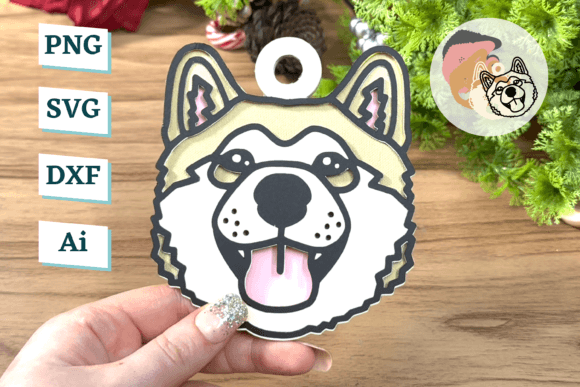
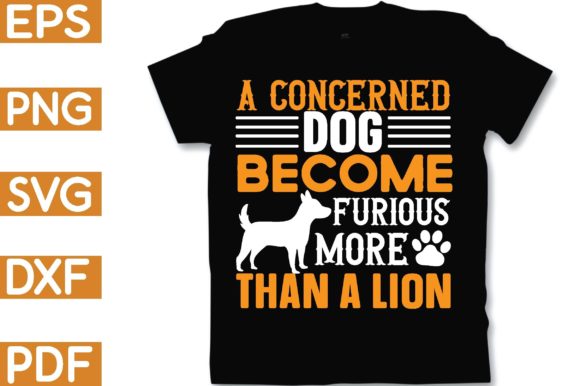
The design carries an expressive, slightly exaggerated canine face that reads as both concerned and on the verge of fury. The lines are bold, the eyes carry a sharp focus, and the overall silhouette is compact enough to work on a variety of surfaces. This is not a delicate, whispery illustration—it has attitude. For machine embroidery work, that is a good thing. Strong shapes and clear negative space mean the design will hold its integrity even after stitching, washing, and everyday wear.
The theme sits somewhere between humor and intensity. It is playful enough for a custom apparel piece meant to spark conversation, but the detail in the furrowed brow and tense mouth gives it a level of polish that elevates it above a simple cartoon. This balance makes it versatile for personalized gifts, small shop merchandise, or even a boutique branding item for a pet-related business.
Real Project Performance: Testing on a Tote Bag and a Sweatshirt
I ran two test projects with A Concerned Dog Become Furious More Than. The first was a heavyweight canvas tote bag—a staple product for many craft business owners and Etsy sellers. The second was a medium-weight cotton-blend sweatshirt, perfect for sweatshirt embroidery and cold-weather custom apparel.
On the tote bag, the design stitched out cleanly. The fill stitch areas covered the fabric well, and the satin stitch outlines gave the dog’s face a crisp edge. I used a medium-weight stabilizer (tear-away on the back, cut-away on the top for extra stability) and the design held its shape without puckering. The stitch density felt appropriate—not too tight to distort the canvas, but dense enough to create a solid, professional look.
On the sweatshirt, I had to adjust my approach. Sweatshirt fleece has more give, and the fabric texture can swallow fine details. I reduced the hoop size slightly to keep the fabric taut and used a cut-away stabilizer to prevent distortion. The design still read well. The eyes and the furrowed brow held their definition, and the overall mood transferred effectively from the digital embroidery file to the finished garment.
For both projects, I used three thread colors: a dark charcoal for the outline and eye details, a warm brown for the fur fill, and a pale cream for the highlight areas. The contrast was strong, and the design popped without needing excessive stitch density adjustments.
Where This Design Belongs—and Where to Be Careful
A Concerned Dog Become Furious More Than works best on medium to heavyweight fabrics. Think tote bags, aprons, pillow covers, embroidered patches, tea towels, and structured handmade products like canvas pouches or baby embroidery items if the fabric is stable. It also shines on caps and hats, though I would recommend scaling it down slightly to fit the curved surface without distortion.
Where you need to be cautious: small hoop sizes below 4x4 inches. The design has enough detail that shrinking it too much will cause the eyes and mouth to lose their expressive clarity. If you are working on baby clothes or kitchen towels with limited space, test a scaled-down version on scrap first.
Avoid using this design on very thin or stretchy fabrics like lightweight jersey or silk without a dense stabilizer. The fill stitch areas may cause the fabric to distort, especially if the garment is already under tension from wear or washing. For dark fabric, consider using a lighter thread color for the outline to keep the dog’s expression readable. On black or navy, a dark brown outline may get lost.
For layered garments or items with pockets, ribbing, or zippers, keep the design away from bulky seams. The applique design potential here is moderate—you could use the shape as a base for layered fabric pieces, but the face details are intricate enough that I would stick to direct embroidery for best results.
Visual Appeal, Stitching Clarity, and Product Value
The biggest strength of A Concerned Dog Become Furious More Than is how well it translates from a printable mockup to a stitched embroidery project. The lines are deliberate, the expression is readable, and the overall composition feels balanced. This is not a design that gets muddy or confusing after stitching—a common problem with overly detailed digital files.
For Etsy sellers and creative entrepreneurs, this design offers strong giftability. A customer who sees a finished personalized gift with this dog face will immediately understand the humor and attitude. It has recognition value: people will remember the expression, and that drives customer trust and repeat business.
From a commercial embroidery standpoint, the design builds brand consistency if used across a product line. Imagine a small shop offering a tote bag, a sweatshirt, and a mug all featuring the same concerned-yet-furious dog. That is a cohesive handmade product lineup that feels intentional and professional.
The handmade presentation also benefits. Because the design stitches cleanly and doesn't require excessive underlay or complex color changes, the final product looks polished without looking machine-made. It retains a handcrafted feel that buyers in the craft business space appreciate.
Practical Embroidery Designer Notes
Before you stitch A Concerned Dog Become Furious More Than on a client project or for your own shop, here are the notes I gathered from my tests:
- Test on scrap fabric first. I cannot stress this enough. Each machine embroidery design behaves differently on different fabrics. Run a quick test on a material similar to your final product.
- Check thread color contrast. The design relies on the contrast between the fill and the outline. If your fabric color is close to your thread colors, the expression may flatten.
- Review stitch density. I found the density to be appropriate, but if you are using a lightweight fabric, you may want to reduce the density slightly to avoid stiffness or puckering.
- Confirm hoop size. The design fits well in a standard 5x7 hoop. If you are working with a smaller hoop, test the scaling before committing.
- Inspect small details. The eyes and the mouth have fine points. Make sure your needle is sharp and your stabilizer is secure so those details stay crisp.
- Test in black and white mockups. Before stitching, convert the design assets to grayscale in your digitizing software. This helps you see if any areas blend together or lose definition.
- Compare light and dark fabric backgrounds. The design works on both, but you may need to adjust thread colors for dark backgrounds to maintain the dog’s expression.
- Use proper stabilizer. Cut-away stabilizer is my recommendation for most garments. Tear-away works for tote bags and other structured items.
- Confirm licensing before selling. The files you receive—PDF, EPS, SVG, PNG, DXF—are described as artwork files for printing, resizing, coloring, and modifying. Before you use this design for commercial embroidery, digital product sales, or finished products sold in your shop, verify the license terms. Some graphics may restrict commercial use or require attribution.
The Design’s Place in Your Product Line
This design is not a universal fit for every project, but it does fill a specific and valuable niche. If you are a hobbyist making gifts for friends who love dogs with big personalities, it will be a hit. If you are an Etsy seller or small shop product owner looking to add a touch of humor to your custom apparel or embroidered patch offerings, this design stands out.
It also works well for holiday embroidery if you pair it with seasonal colors or add a small accessory like a scarf or a hat. For nursery decor or baby embroidery, I would use it sparingly—the “furious” aspect may not fit every nursery theme, but the “concerned” angle could work for a playful piece.
For printable mockups and digital product previews, the SVG format is excellent. You can resize and recolor the design easily before stitching, which saves time and material. The fact that the files come in a ZIP folder with multiple formats (PDF, EPS, SVG, PNG, DXF) means you can use the design across digital products, physical crafts, and graphics projects without reformatting.
Final Verdict from a Designer’s Chair
A Concerned Dog Become Furious More Than is a solid machine embroidery design with strong visual personality, clean stitching behavior, and versatile application in the craft business space. It is not a design for every fabric or every occasion, but for the right product—a tote bag, a sweatshirt, a patch, or a gift item—it delivers real impact.
The expression is memorable, the technical execution is sound, and the file formats give you flexibility whether you are stitching, printing, or selling design assets as digital embroidery files. Take the time to test, adjust your stabilizer and thread choices, and confirm your licensing, and this design will serve you well across many embroidery projects and finished products.
If you are looking for a graphics asset that brings attitude without sacrificing stitching quality, this one is worth adding to your collection.