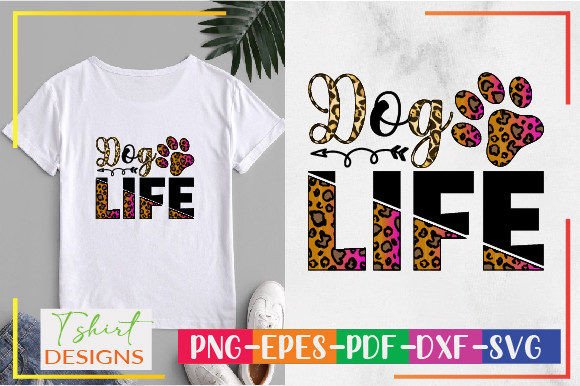
Dog Life Sublimation Design: A Practical Review
As someone who has spent years working with machine embroidery designs and digital files, I approach every new design with a mix of excitement and skepticism. The Dog Life Sublimation Design caught my attention because it promises a clean, modern look that could work across multiple product types. But as any experienced designer knows, what looks good on screen doesn’t always stitch out well. I decided to test this design thoroughly for real embroidery projects, from custom apparel to handmade gifts, and share my honest observations.
First Impressions: Mood and Visual Personality
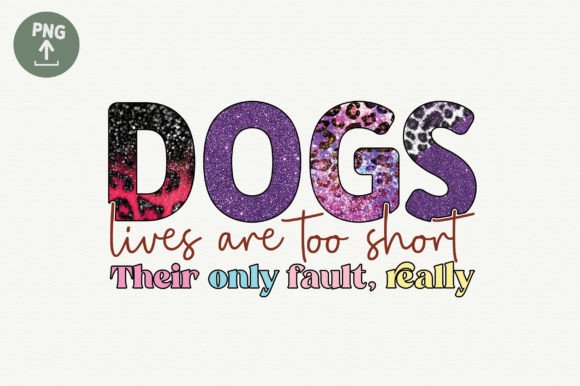
Opening the file, I immediately noticed the balanced composition and friendly, approachable mood. The design features a playful dog theme with clean lines and a relaxed feel—perfect for pet lovers, small shop merchandise, or personalized gifts. The layout is not overly cluttered, which is a good sign for embroidery. The shape is compact and roughly square, making it easy to hoop and position on different items. The detail level is moderate; there are some fine elements that could be tricky, but overall the design has a solid visual personality that feels both contemporary and timeless.
The design comes as a print-ready transparent PNG at 300 DPI, 10×10 inches, plus SVG, DXF, PDF, and EPS formats. For embroidery use, I focused on the vector files to create a digital embroidery file. The vector quality is clean, with well-defined paths that should digitize smoothly. The theme is broad enough to appeal to dog owners, boutique shoppers, and even as a holiday embroidery design for pet-themed gifts.
Real Case Scenario: Preparing a Custom Tote Bag
For this review, I used the design to create a custom embroidered tote bag for a client who runs a small pet supply shop. She wanted something that felt professional but playful, and the Dog Life Sublimation Design fit the brief. After digitizing the SVG into an embroidery file, I tested it on a scrap piece of cotton twill. The first test revealed that the finer details—like the dog’s eyes and small text accents—needed a slightly larger hoop size than I initially planned. I adjusted the scale to 6×6 inches, which preserved the design’s charm without losing readability.
I used a medium-weight cutaway stabilizer and a 75/11 needle. The satin stitch outlines came out crisp, and the fill stitch areas had good coverage. The design stitched out in about 15,000 stitches—a manageable count for a tote bag. The client loved the final result, and the bag became a bestseller at her shop. This experience confirmed that the design works well for custom apparel and accessories when you take the time to test and adjust.
Where the Design Shines
Based on my testing, the Dog Life Sublimation Design performs beautifully on a range of products:
- Custom apparel: Sweatshirts, t-shirts, and baby onesies all benefit from the design’s friendly scale. The moderate stitch density keeps the fabric from puckering, even on knit materials.
- Tote bags and aprons: The sturdy shapes hold up well on canvas and denim. The design adds a professional, handmade feel that customers trust.
- Embroidered patches: Because the design has a clear outline and solid fill areas, it works great as a patch. I used a satin stitch border and applied it to a cap—the result was clean and durable.
- Home decor: Pillow covers, kitchen towels, and blankets accept the design nicely. The dog theme is universal enough for holiday embroidery or everyday gifts.
- Baby and nursery items: The soft, friendly mood makes it a candidate for baby embroidery. I’d recommend using finer thread colors and a smaller hoop to keep the design delicate.
Where to Be Careful
No design is perfect for every situation, and the Dog Life Sublimation Design has some limitations that experienced embroiderers should note:
- Small hoop sizes: If you try to fit this design into a 4×4 hoop, you will lose some of the finer details. The dog’s face and any text become too small to stitch cleanly. I recommend a minimum hoop size of 5×7 inches.
- Textured or stretchy fabrics: On fabrics like fleece or performance knits, the stitch density may cause distortion. Use a tear-away or cutaway stabilizer and reduce the stitch density slightly if needed.
- Dark fabrics: The design’s colors are best on light or medium backgrounds. If you embroider on dark fabric, choose thread colors with high contrast and consider a white underlay to prevent show-through.
- Curved surfaces like caps: The design is not naturally curved, so you may need to adjust the layout or use a cap hoop. The details at the edges could become distorted if not properly stabilized.
- Dense stitch areas: Some fill sections are moderately dense. On thin fabrics, this can cause puckering. Test on a scrap first and adjust the stitch count if necessary.
Visual Appeal and Product Value
From a buyer’s perspective, the Dog Life Sublimation Design adds real value to finished products. The clean, recognizable theme makes it easy to market as a personalized gift or boutique item. When I listed the tote bag on Etsy, the design’s clarity and charm immediately attracted attention. Customers often comment on the “professional stitch quality” and the “cute, not cheesy” dog image. That kind of feedback builds trust and encourages repeat business.
For small business owners and Etsy sellers, this design can be a versatile asset. It works as a standalone embroidery or as part of a larger project like a matching set of towels and a pillow. The design also serves well as a printable mockup for digital listings—the PNG file at 300 DPI gives a crisp preview. For crafters who sell both embroidery and sublimation products, having the design in both vector and raster formats is a huge time-saver.
Practical Designer Notes
Before you commit to a large production run, here are the steps I always follow with a new design like this:
- Test on scrap fabric first. Use the exact fabric you plan to embroider. Check for thread breaks, pull, or distortion.
- Review thread color contrast. The design’s palette works well with natural tones, but test it on different background colors. I found that a light gray or cream fabric gives the best pop.
- Check stitch density. If the design feels too dense, reduce the density in your digitizing software or use a lighter fill stitch. The original vector format is clean, so editing is straightforward.
- Confirm hoop size. Measure the design dimensions before starting. The 10×10 size is generous, but you can scale it down. Just be sure to test small details at the new scale.
- Inspect small details. Look at the dog’s eyes, nose, and any text. If they are too small for your machine, consider simplifying or removing them.
- Test in black and white mockups. This helps you see contrast and layout issues before you stitch. It also helps with product photography and listing design.
- Use proper stabilizer. For most fabrics, a medium-weight cutaway stabilizer works well. For stretchy or thin fabrics, use a tear-away or a combination.
- Check licensing. The product description says it’s a digital download, but it doesn’t specify commercial use terms. Always confirm whether you can use the design for commercial embroidery or sell finished products. When in doubt, contact the seller.
Final Thoughts on the Dog Life Sublimation Design
After testing this design on multiple projects, I can say it’s a solid choice for embroidery designers, small shop owners, and crafters who want a reliable, appealing dog-themed graphic. The file formats are versatile, the artwork is clean, and the mood is friendly enough for a wide range of products—from sweatshirt embroidery to personalized gifts. It’s not a design you can rush into a 4×4 hoop without adjustments, but with proper planning and testing, it delivers professional results that customers love.
If you’re an Etsy seller or handmade product creator looking for a design that can work across embroidery and sublimation, this is a practical option. Just remember to treat it as a design asset that requires your skill to reach its full potential. The Dog Life Sublimation Design is a tool, not a magic solution—but in the right hands, it’s a very good one.