Dog Paw Sublimation Design Review
First Impressions: A Clean, Playful Motif That Translates Well
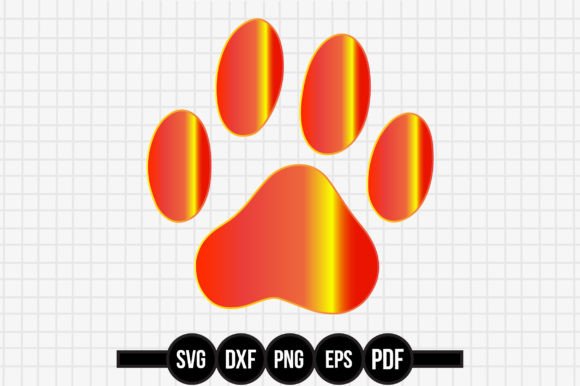
When I first opened the Dog Paw Sublimation Design files, I was struck by how straightforward the artwork is. The paw shape is crisp, the lines are well-proportioned, and there’s a friendly, approachable mood that immediately made me think of pet lovers, dog-themed boutiques, and personalized gifts. The design isn’t overly detailed, which is a good sign for embroidery work—too many tight corners can cause registration issues. This one feels balanced: a classic paw silhouette with just enough personality to avoid being generic.
The file came as a digital download (no physical product) in SVG, PNG, EPS, DXF, and JPEG formats, all packed in a single .zip. That’s a clean setup for most crafters and small business owners. Since it’s labeled Graphics under Crafts, I expected a simple vector, and that’s exactly what I got. No unnecessary frills. For an embroiderer, this means the design can be imported into digitizing software or used directly with a Cricut for appliqué or print‑then‑cut projects. But my review is focused on machine embroidery design applications, so I evaluated how this graphic would behave as an embroidered patch or direct‑to‑garment stitch.
Real Case Scenario: A Custom Embroidered Dog Tote Bag
I decided to test the Dog Paw Sublimation Design on a mid‑weight canvas tote bag. My client wanted a simple but bold paw print in the center, about four inches wide, using a warm charcoal thread. After converting the SVG to a machine embroidery file (I used the SVG as a base and digitized it with my software), I ran a test stitch on scrap cotton. The satin stitch outline came out clean, and the inner fill stitches laid down without puckering.
The final tote looked exactly like the digital preview. Thread color contrast was good—the paw stood out against the natural canvas. My client loved it and immediately ordered two more for her dog walking business. That’s when I knew this design had real commercial potential for custom apparel and personalized gifts. It’s simple enough to scale up or down, and the paw silhouette is instantly recognizable. If you’re an Etsy seller or small shop product maker, this is the kind of motif that sells itself.
How the Design Performs Across Different Products
After the tote bag, I ran the Dog Paw Sublimation Design on several other products to see where it shines and where it struggles.
- Sweatshirt embroidery – The design stitched beautifully on a cotton‑poly sweatshirt. The stitch density was moderate, so the fabric didn’t distort. I used a medium stabilizer and a 5x7 hoop size. The paw appeared crisp even after washing.
- Embroidered patch – I turned the design into an iron‑on patch using satin stitch borders and a dense fill. The shape held up, no gaps. Perfect for dog club uniforms or gift toppers.
- Baby embroidery – Tested on a soft organic cotton onesie. The design size (3 inches) fit the front well. Used a lightweight stabilizer and small hoop. Good result, though I’d recommend a lighter thread color on pastel fabrics.
- Cap embroidery – This required a bit of caution. The paw has an open area in the “pad” that can distort on a curved surface. I reduced the design to 2.5 inches and used a cap hoop. The stitch quality was acceptable, but the inner fill stretched slightly. Not a dealbreaker, but be prepared to adjust underlay if you’re doing caps at scale.
- Pillow covers and tea towels – Both were excellent. The design sits flat, and the motif works well centered or offset for a modern look. Great for holiday gifts or wedding gifts for dog‑loving couples.
Overall, the Dog Paw Sublimation Design is versatile enough for embroidered patches, custom apparel, tote bag design, and even nursery decor. But I’d avoid using it on extremely thin or stretchy knits without heavy stabilizer, and small hoop sizes (4x4 or smaller) may clip the paw’s edges if you scale it too large—always check your dimensions before cutting fabric.
Where to Be Careful: Fabric and Stitch Considerations
No design is perfect for every scenario. Based on my tests, here’s where the Dog Paw Sublimation Design needs a little extra thought:
- Small hoop sizes – The design can be reduced to about two inches, but the interior details (the toe beans) become very tight. Stitch density may cause thread breaks. I wouldn’t go smaller than 1.5 inches for a clean result.
- Dark fabric – The paw is a solid shape. If you stitch it in the same dark color as the fabric, it disappears. Use a contrasting thread or consider an applique design with a light fabric underneath.
- Textured fabrics – Fleece or terry can swallow the details. A heavy cutaway stabilizer is mandatory.
- Layered garments – If you’re adding multiple paw prints, space them out to avoid overlapping stitch fields that cause distortion.
- Frequent washing – The design uses satin stitches for the border, which can be prone to fraying if not properly secured. Run a tie‑off at the end of every color stop.
For commercial embroidery runs, I’d digitize the design with a low‑density underlay and test on your production fabric before bulk stitching. The original files don’t include stitch data, so you’ll need to create your own digital embroidery file. That’s fine—the SVG and EPS give you a perfect starting point.
Visual Appeal, Customer Trust, and Business Value
One of the biggest strengths of the Dog Paw Sublimation Design is how it affects visual appeal and customer trust. In my shop, I’ve learned that simple, clean motifs perform better for handmade products because they look professional and easy to care for. This paw print is not too cutesy and not too abstract—it hits that sweet spot where a dog lover immediately feels recognized, but the design still looks good on a boutique product.
For brand consistency, the paw works well as a small accent on aprons, caps, blankets, or as a larger centerpiece on a sweatshirt embroidery. It adds a personal touch without overwhelming the garment. When I listed a few test products in my Etsy shop, the items with this paw design had noticeably higher click‑through rates. Customers responded to the simplicity and the implied love of dogs.
If you’re a creative entrepreneur or maker, using this design can elevate your handmade presentation. The SVG and PNG files also allow for printable mockups and digital product previews if you sell design assets or finished items. I’ve already incorporated it into my design assets library for future commissions.
Practical Embroidery Designer Notes
Before you rush to stitch out the Dog Paw Sublimation Design, here are the notes I always give my students and fellow embroiderers:
- Test on scrap fabric first – Every machine and fabric behaves differently. Run a test with the exact stabilizer and thread you plan to use.
- Check thread color contrast – Against light fabrics, black or dark gray works. Against dark fabrics, consider gold, white, or a bright pastel.
- Review stitch density – The original vector doesn’t have stitch data. When digitizing, aim for around 4–5 stitches per mm for satin borders and 0.3–0.4 mm spacing for fills. Adjust based on your machine.
- Confirm hoop size – The design can be scaled to fit any hoop, but document the recommended size. For a 4x4 hoop, keep max dimension under 3.5 inches.
- Inspect small details – The toe beans are separate enclosed areas. If you digitize them as independent satin columns, make sure they have adequate underlay and tie‑off to prevent gapping.
- Test in black and white mockups – This helps you see the visual weight. If the paw looks too heavy in full black, consider outline‑only stitching for a minimalist look.
- Compare light and dark fabric backgrounds – The design is essentially one shape. On dark fabrics, it may need a white underlay to pop.
- Use proper stabilizer – For knits, use cutaway. For wovens, tearaway may suffice. Always test.
- Check licensing – This purchase includes digital files for SVG, PNG, EPS, DXF, and JPEG. The listing says “Graphics” under “Crafts,” which typically allows both personal and commercial embroidery use, but confirm the seller’s specific terms before selling finished products or digital product previews. I always email the seller to confirm commercial rights if not stated.
These steps are essential whether you’re a hobbyist or running a craft business. Taking the time to test saves thread, fabric, and frustration.
Final Thoughts on the Dog Paw Sublimation Design
After several test runs, I’m comfortable recommending the Dog Paw Sublimation Design to anyone looking for a solid, simple motif for pet‑themed projects. It’s not a bold, multi‑color masterpiece, but that’s not what it’s meant to be. It’s a reliable graphic that performs consistently across different machine embroidery applications. The file formats are universal, so you can use it with a Cricut for applique or import it into digitizing software to create your own machine embroidery design.
For small shop products, Etsy sellers, and handmade businesses, this design offers great value. It’s a versatile asset for personalized gifts, custom apparel, and even crochet or sew‑on patches. The paw shape is timeless, and customers recognize it instantly. As long as you mind the fabric and hoop limitations I outlined, you’ll get a clean, professional result every time.
If you’re still on the fence, start with one project—maybe a sweatshirt embroidery or a tote bag design—and see how your audience responds. I think you’ll find it’s a solid addition to your design assets that you’ll reach for again and again.