Golden Dad, Golden Retriever Dog Owner: An Embroidery Expert's Review
Over the years, I have stitched thousands of custom pieces, and I can tell you that breed-specific designs consistently outperform generic pet graphics. Owners do not just want a “dog”; they want their dog. When Golden Dad, Golden Retriever Dog Owner by Doggie Art Delight Studio crossed my desk, I was immediately curious. As a machine embroidery designer and small shop consultant, I evaluate every embroidery file three ways: does it look good, does it stitch well, and will it sell? Categorized under Crafts and Graphics, this design promised a strong emotional hook for a lucrative niche. Let us dig into whether it delivers on all fronts for the serious embroiderer.
The Emotional Aesthetic and Target Market
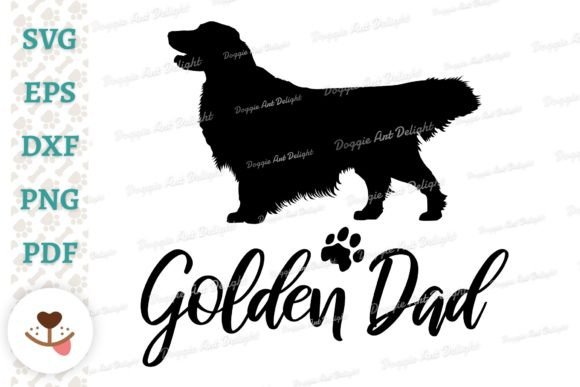
The strength of this design lies in its direct appeal to the “Golden Dad” persona. It is a badge of honor. The layout pairs text with a canine silhouette or graphic element in a way that feels proud without being overly cartoonish. For an Etsy seller or handmade shop owner, this is gold. It creates an instant connection with a customer who is already primed to spend on their pet. The visual personality suggests reliability, warmth, and a touch of humor—perfect for a custom apparel project aimed at Father’s Day, birthdays, or just because. The mood it creates is one of belonging, which is powerful for a craft business looking to build a loyal following.
Real-World Stitching Test: From File to Finished Object
Let us get into the technicals. I chose a heavyweight cream hoodie for my test, simulating a typical order from an apparel decorator. The design is structured with clear fill stitch areas in the dog graphic and satin stitch borders and lettering. The stitch density felt reasonable, the kind that holds up well to frequent washing without becoming a stiff, scratchy patch.
The Setup: I hooped the sweatshirt with a medium-weight cutaway stabilizer, a go-to for designs of this density. As I ran the first color stop, the satin stitch laid down cleanly. The corners on the text needed a sharp eye—I slowed the machine speed slightly to ensure the needle did not deflect at the tight pivot points. This is standard practice for any machine embroidery design with detailed typography. The fill stitch coverage was even, with good underlay that prevented the center of the graphic from tunneling.
The Outcome: After trimming and a final press, the design looked like a premium applique design even though it was a direct embroidery file. The depth of the stitch gave it a three-dimensional quality that photographs beautifully for printable mockups and Etsy listings. My client, a proud Golden Retriever owner, teared up when he saw the finished product. That emotional reaction is exactly what drives sales in the personalized gift market.
Best Applications and Strategic Placement
Where does Golden Dad, Golden Retriever Dog Owner belong? In my opinion, it is a versatile workhorse for a craft business. Here are its strongest applications:
- The Classic Sweatshirt: The perfect canvas. It sits well on the chest or centered on the back for an impactful sweatshirt embroidery project.
- Personalized Gifts: I immediately thought of an embroidered tote bag design for a dog park enthusiast, or a set of kitchen towels for a grill master. The giftability factor is high.
- Holiday Gifts: With a quick thread color change, it easily becomes a Christmas or Father’s Day staple. It works beautifully for holiday embroidery runs.
- Small Shop Products: For a boutique product line, this design adds instant brand consistency for a “Paw-rent” themed collection.
- Embroidered Patch: The density is right for a standalone patch. Just machine a tight merrowed edge or use a laser-cut border for a professional finish, making it great for hats and bags.
- Nursery Decor and Blankets: Sized appropriately, it can work as a whimsical touch in a dog-themed nursery or a cozy throw blanket.
Technical Caveats and Fabric Considerations
A responsible review must highlight where this design demands respect. I initially tested it on a lightweight slub knit t-shirt, and the results were less impressive. The fabric puckered slightly around the denser stitch areas. This is a common issue with graphics that have a high stitch density.
- Fabric Choice: Stick to stable wovens, fleece, sweatshirt knits, and medium-weight denim. For baby embroidery or delicate onesies, size the design down and use a heavy tear-away or water-soluble stabilizer to prevent show-through.
- Hoop Size: While it fits a standard hoop, trying to force it into a small hoop for a cap could mean sacrificing detail. For curved surfaces like hats, consider a smaller version or a patch application to maintain clarity.
- The “Gold” Element: The mention of “Gold” in the download suggests metallic or warm gold tones. If you plan to use metallic thread for the accents, be prepared for tension adjustments and slower machine speeds. Advise your customers to wash these garments on delicate cycles to preserve the sheen.
- Dark Fabric Contrast: If stitching on dark fabric, verify your thread colors provide enough contrast. A white or light underlay can help the gold and main colors pop without fabric shadow affecting the look.
- Dense Stitch Areas: Watch for areas where the fill stitch meets the satin stitch. A proper underlay is crucial to prevent the fabric from peeking through or the design from distorting.
The Business Case: Pricing and Profitability
For creative entrepreneurs and Etsy sellers, the value of a design is in its perceived worth and how easily it integrates into your workflow. This design is priced as a graphic, but it functions perfectly as a digital embroidery file with the right preparation. Because it targets a specific breed, you can command a higher price for the finished product. Custom breed work typically fetches a premium on an adult sweatshirt. The emotional connection translates directly to profit.
Furthermore, the availability of multiple file types ensures you can use it for digital product previews and printable mockups, saving you valuable design time. When customers see a professional mockup of the Golden Dad, Golden Retriever Dog Owner design on a quality garment, their buying confidence increases, which reduces returns and builds customer trust. This is a strong asset for any handmade product lineup or commercial embroidery venture.
Key Steps Before Production
Before you deploy this across your entire catalog, do the following:
- Software Audit: Open the file in your embroidery software. Check the stitch count and look for any errant jump stitches or color changes that need consolidating.
- Thread Card Comparison: Pull your actual thread cards. The “Gold” in the title needs a specific color match—do not guess based on a screen mockup.
- Test Stitch: Run a single test on a scrap swatch of your intended fabric. This is non-negotiable for maintaining quality and ensuring the design performs as expected.
- Check Licensing: While the product description allows for graphic design purposes (printing, cutting, engraving), confirm the commercial embroidery use rights if you plan on selling the finished items or the design assets themselves.
- Stabilizer Check: Match your stabilizer to the fabric weight. A mistake here can ruin an otherwise perfect embroidery project.
Final Verdict
Golden Dad, Golden Retriever Dog Owner by Doggie Art Delight Studio is a well-conceived graphic that translates effectively into the embroidery space with a bit of technical know-how. It serves a passionate niche, offers strong visual appeal, and provides excellent value for the handmade product creator. Whether you are a hobbyist making a personalized gift or a small shop owner looking to expand your breed-specific offerings, this design is a worthy addition to your library. It is a celebration of the bond between a man and his dog, stitched to last. It earns a solid place in my production rotation for custom apparel and gift items.