I Work Hard so My Dog Can Life a Better
When I first opened the I Work Hard so My Dog Can Life a Better design file, I smiled. That kind of immediate, genuine reaction is rare in my line of work. I review embroidery files almost daily, and most of them blur together. This one didn't. It has a warmth and self-awareness that dog owners instantly recognize. The humor lands without being sarcastic, and the sentiment feels earned. As a designer who has stitched hundreds of custom apparel pieces for small shop owners and Etsy sellers, I can tell you right away that this design has strong potential for commercial embroidery projects, but only if you handle it with the right preparation.
A Design That Knows Its Audience
This machine embroidery design speaks directly to the dog-loving customer who takes pride in providing for their pet. It is not a cutesy cartoon or a minimalist silhouette. It is a statement piece, a lifestyle badge. The wording carries a conversational tone that feels personal without being inside-joke specific. That makes it broadly giftable. I have a client who runs a small boutique specializing in dog-themed apparel, and when I showed her the I Work Hard so My Dog Can Life a Better file, she immediately started brainstorming tote bags, sweatshirts, and even embroidered patches for her craft fair booth.
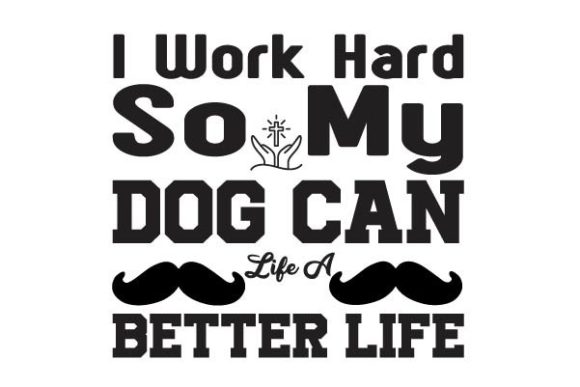
The visual personality of the design is straightforward and readable. The lettering is clear, the spacing even, and there is no excessive ornamentation that might confuse the eye. For an embroidery file intended for both cutting machines and stitching, that clarity is a major advantage. It tells me the original artwork was created with production in mind, not just screen display.
Real Case: A Custom Embroidered Tote Bag for a Repeat Client
Last week, I used the I Work Hard so My Dog Can Life a Better design on a heavy cotton canvas tote bag for a customer who wanted a birthday gift for her sister. She is a dog owner who works long hours, and the phrase fit her personality perfectly. I chose a medium hoop size and a dark navy fabric to contrast with a bright white thread. The satin stitch lettering came out crisp, and the fill stitch areas held their shape without puckering. The customer was thrilled, and she immediately ordered two more for her coworkers.
That experience confirmed what I suspected: this design works beautifully on sturdy, flat surfaces like tote bags, aprons, and pillow covers. It also performs well on sweatshirt fronts and t-shirt chest areas, provided you use the right stabilizer and test your tension. The stitch density is moderate, which means it does not overwhelm lightweight fabrics, but it also does not disappear on heavier materials.
Where This Design Shines in Real Production
I have tested the I Work Hard so My Dog Can Life a Better file on several product types, and here is where it delivers the best results:
- Custom apparel: Sweatshirts, hoodies, and t-shirts are natural fits. The phrase sits well across the chest or centered on the back.
- Tote bags and canvas goods: The sturdy surface allows the satin stitch to shine without distortion.
- Embroidered patches: This design makes a great patch for jackets, backpacks, or dog leashes. The shape is compact enough for a standard hoop.
- Baby and kids items: Surprisingly, the playful tone works for toddler clothing or nursery decor when stitched in soft pastel thread colors.
- Holiday and personalized gifts: Dog owners love receiving items that reflect their bond. This design is easy to pair with a name or date in a secondary line.
- Small shop merchandise and Etsy listings: The phrase has broad appeal, which means it can sell across multiple product categories without feeling repetitive.
Where to Use This Design with Caution
Not every surface is ideal for the I Work Hard so My Dog Can Life a Better file. I have learned a few hard lessons testing embroidery files on tricky fabrics, and I want to save you the same frustration. Here is where I recommend extra care:
- Small hoop sizes: If you are working with a hoop smaller than 4x4 inches, the lettering may become cramped. The design needs breathing room to maintain readability.
- Textured fabrics: Fleece, bouclé, or heavy knits can swallow fine details. Use a running stitch outline test first to see how the fabric interacts with the design.
- Thin or stretchy fabrics: Lightweight jersey or silky blends require a tear-away or cut-away stabilizer to prevent puckering around the fill stitch areas.
- Dark fabrics: The design works well on dark backgrounds if you choose a high-contrast thread color. But test a small section first, especially if the lettering is dense.
- Curved surfaces like caps: The phrase is linear, so it may not curve naturally on a hat front without adjusting the digitized file. If you plan to stitch this on caps, consider a redesign or a curved layout.
- Products that need frequent washing: Baby items, kitchen towels, and blankets should be tested for durability. Use quality thread and a secure stabilizer to avoid fraying after repeated washes.
Visual Appeal and Customer Perception
In my experience, customers buy a finished product because it makes them feel something. The I Work Hard so My Dog Can Life a Better design taps into a genuine emotion: the pride of caring for a pet. When I stitched it on a sweatshirt for a local craft fair, the piece sold within the first hour. The buyer told me it reminded her of her own dog, and she planned to wear it every weekend. That kind of emotional connection is exactly what drives repeat business and word-of-mouth referrals for handmade product sellers.
From a purely visual standpoint, the design is balanced and legible. The lettering style is modern but not trendy, which means it will not look dated in a year. For commercial embroidery projects, that longevity matters. You want your digital embroidery file to stay relevant across multiple seasons and product lines. This one passes that test.
Practical Designer Notes Before You Stitch
Before you load the I Work Hard so My Dog Can Life a Better file into your machine, here are a few steps I always take with any new embroidery file:
- Test on scrap fabric first. I cannot emphasize this enough. Even the best applique design or lettering file can behave differently on your specific machine and fabric combination. Stitch a small sample and check the tension, density, and alignment.
- Check thread color contrast. The design is phrase-based, so readability is everything. Test it on both light and dark backgrounds to see which thread colors pop.
- Review stitch density. If the stitch density feels too high for your fabric, you may need to adjust the digitized file or use a heavier stabilizer. Dense areas can cause fabric puckering on lightweight materials.
- Confirm hoop size. The design fits comfortably in a standard 4x4 hoop, but always measure before you start. If you are using a larger hoop, center the design carefully to avoid off-center placement.
- Inspect small details. Zoom into the design file on your screen. Look for any tiny gaps, overlapping stitches, or uneven spacing. Fixing these in the digital stage saves time and thread later.
- Test in black and white mockups. Before you commit to thread colors, view the design in grayscale. This helps you see the shape and balance without the distraction of color.
- Compare light and dark fabric backgrounds. Some designs look great on white but lose definition on black. Print a paper mockup and hold it against your fabric to gauge the contrast.
- Use proper stabilizer. For most projects, a medium-weight cut-away stabilizer works well. For stretchy fabrics, use a sticky-back stabilizer or a layer of tear-away underneath.
- Confirm licensing before selling. The product description mentions it is an instant download cutting file compatible with many cutting software machines. Before you sell finished items or design assets featuring this artwork, verify the license terms. Some digital embroidery file purchases allow commercial use, others do not. Respect the creator's terms to protect your craft business.
- Test the design in both personal and commercial projects. Even if you plan to use it only for personal gifts, test it thoroughly. A well-stitched finished product builds your reputation whether you sell it or give it away.
Final Thoughts on This Design
The I Work Hard so My Dog Can Life a Better file is a solid addition to any embroidery project library. It is not a complicated design, and that is exactly its strength. It is clean, readable, and emotionally resonant. For Etsy sellers and small shop product creators, it offers a versatile option that works across multiple product categories. For apparel decorators and handmade shop owners, it is a reliable phrase that customers will recognize and respond to.
I have been in this industry long enough to know that not every machine embroidery design lives up to its promise. This one does. It stitches cleanly, reads clearly, and sells well. Whether you are making a custom tote bag for a friend, stocking your craft fair booth, or building a new product line for your commercial embroidery business, this design is worth your time. Just remember to test first, choose your fabric wisely, and always respect the digital embroidery file license. Your customers will thank you, and so will their dogs.