Leopard Print Dog Bone Split
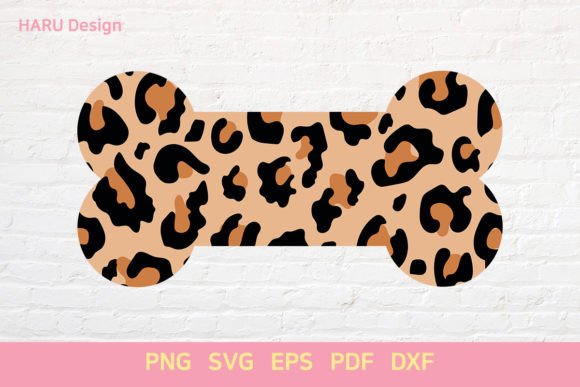
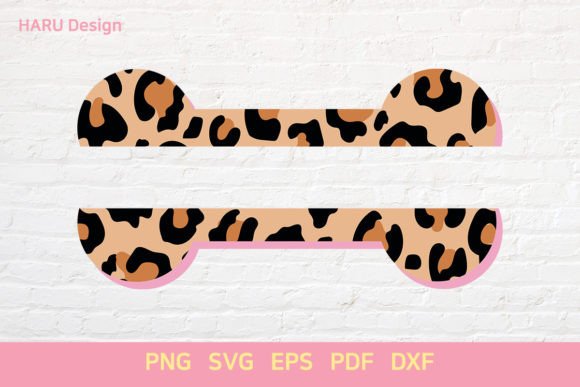
When I first opened the Leopard Print Dog Bone Split file, I was curious how the combination of a classic canine silhouette and a bold animal print would translate into an embroidery project. The dog bone shape is straightforward and friendly, while the leopard pattern adds texture and a bit of attitude. It is not trying to be overly cute or sentimental. Instead, it strikes a balance between playful and fashion-forward, which makes it a strong candidate for a wide range of handmade products, especially those aimed at pet lovers who also appreciate style.
The design reads clearly at a glance. The bone outline is easy to recognize even from a distance, and the leopard markings inside give it depth without making the overall shape feel cluttered. That is important when you are stitching something onto a tote bag, a sweatshirt, or a patch that needs to be readable from across a room. The visual personality here is confident, modern, and slightly adventurous. It is not the kind of design that blends into the background, and that is exactly what many buyers are looking for when they want something that feels personal and distinctive.
A Real Project with Real Stitching
I tested the Leopard Print Dog Bone Split on a cotton tote bag for a small pet boutique that wanted a design their customers would actually use every day. The tote was a natural canvas color, so the contrast was clean without being harsh. I used a medium-weight cutaway stabilizer to keep the fabric stable, especially around the leopard spots where stitch density can shift. The design stitched out smoothly. The satin stitches along the bone edge held a crisp line, and the fill stitches inside the leopard pattern stayed even without puckering.
After the first test, I ran it on a few other fabrics to see how it behaved. On a dark navy sweatshirt, the leopard print really popped. I chose a gold and brown thread palette that matched the traditional leopard tones, and the bone shape stood out beautifully against the darker background. On a lighter heather gray tee, the same threads looked softer but still readable. The design flexed well between casual apparel and more structured items like aprons or pillow covers. That versatility matters when you are managing a small shop and want to offer the same design across multiple product types without redoing the file each time.
One thing I noticed right away is that the split in the bone design adds a subtle visual break that keeps the leopard pattern from feeling too repetitive. It gives the eye a place to rest and adds a little movement to the overall composition. That kind of detail is easy to overlook in a digital preview, but in the finished embroidery, it makes the piece feel more intentional and less like a generic applique.
How It Performs Across Different Products
For anyone running a craft business or an Etsy shop, the Leopard Print Dog Bone Split fits naturally into several product categories. It works well on custom apparel like t-shirts, hoodies, and sweatshirts, especially for dog owners who want something that feels both personal and stylish. It also translates nicely onto tote bags, aprons, and kitchen towels, where the bold shape stands out without needing a large hoop. I tested it on a canvas apron and the design held its shape even after a few washes, which tells me the stitch density is reasonable for items that see regular use.
Patches are another strong application. Because the design has a defined outer edge, it can be stitched as a standalone patch and trimmed close to the bone shape. That makes it easy to offer as a sew-on or iron-on product at craft fairs or in a digital product bundle. The leopard print gives it a boutique feel that many handmade shoppers are drawn to, especially when they are looking for something that does not look mass-produced.
I also tried it on a baby blanket for a friend who is a dog lover. The leopard print added a playful touch without being too loud, and the bone shape kept the design clearly centered. On softer fabrics like flannel or minky, I used a tearaway stabilizer with a light water-soluble topper to prevent the stitches from sinking into the nap. The design handled the texture well, though I would recommend testing on a scrap piece first if you are working with high-pile fabrics.
Where to Use This Design with Care
No embroidery file is perfect for every situation, and the Leopard Print Dog Bone Split has a few considerations worth noting. The leopard pattern contains areas of dense fill stitching, which can be tough on thin or loosely woven fabrics. I would avoid using it on sheer materials or lightweight knits without a substantial stabilizer backing. On stretchy fabrics like jersey, the design can pull if the stabilizer is not secure, so I recommend a cutaway stabilizer for most apparel projects.
Small hoop sizes are another place to be cautious. The design is built on a 12 by 12 inch artboard, and while the actual stitch area may fit a smaller hoop, the leopard details need enough room to read properly. If you try to scale it down too aggressively, the spots and markings can lose their shape and turn into muddy blobs. I tested it at about 70 percent of the original size on a cap front, and it still looked good, but I would not go much smaller than that. Curved surfaces like caps and rounded edges on bags also require careful placement so the bone shape does not warp.
Dark fabrics can absorb some of the contrast in the leopard print, so if you are stitching on black or deep navy, consider using brighter thread colors for the spots to maintain the pattern. I found that a warm gold and a medium brown worked well, but a lighter cream or white for the base of the bone helped the design stay visible without losing the wild print feel.
Visual Appeal and Customer Perception
The Leopard Print Dog Bone Split has a clear commercial advantage: it feels like something a customer would buy as a gift or keep for themselves because it is both trendy and personal. Animal prints in general have a broad appeal that crosses age groups, and combining that with a dog bone makes it specific enough to feel thoughtful. When I showed the finished tote bag to a few friends, the first reaction was usually a smile followed by, "Where did you get that?" That kind of response is exactly what you want when you are selling handmade products or building a brand around custom embroidery.
For boutique branding, this design can become a signature piece. If you offer it on multiple products, customers start to recognize the style and associate it with your shop. It is not so niche that it only works for one season, and it is not so generic that it blends into a thousand other dog-themed designs. The leopard print gives it a fashion edge that feels fresh without being overly trendy.
Practical Designer Notes Before You Stitch
Before you commit to a full production run, here are a few things I always check with a new embroidery file, and the Leopard Print Dog Bone Split is no exception. First, test the design on scrap fabric that matches your final product material. Even a small sample can reveal issues with stitch density, thread tension, or fabric pull that you would not catch in a digital preview.
Check your thread color contrast against both light and dark fabric backgrounds. The leopard pattern relies on contrast to read as spots, so if your thread choices are too close in value, the design can look flat. I recommend pulling actual thread spools and laying them on your fabric before you stitch. What looks good on a screen does not always translate to thread.
Review the stitch density before you hoop your first item. If the design has areas that feel overly dense, consider adjusting your stabilizer choice or using a lighter thread weight to reduce bulk. This is especially important for items that will be washed frequently, like kitchen towels or baby gifts. A design that feels great fresh off the machine can become stiff and heavy if the density is too high for the fabric.
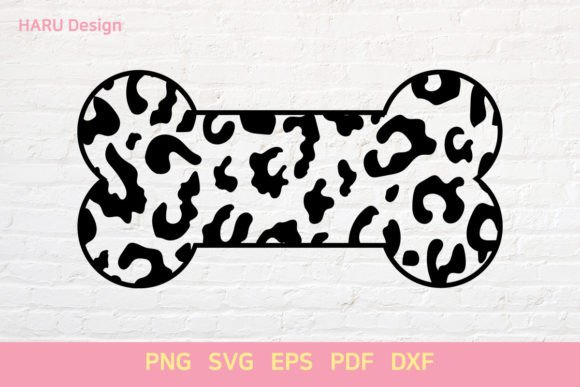
Because the product listing includes an SVG file, an EPS file, a PNG file, a PDF file, and a DXF file on a 12 by 12 inch artboard, you have flexibility to preview and resize the design in your preferred software before loading it into your embroidery machine. The PNG file is handy for quick mockups on product photos, and the vector formats give you clean scaling without losing edge quality. I always open the SVG in my design software first to check the proportions and make small adjustments if needed.
For those who sell finished products or digital design assets, it is also worth confirming the licensing terms for the files you receive. While the design files are provided in multiple formats, the permissions for commercial use, resale of digital files, or use on finished goods are not always the same. If you are an Etsy seller or small shop owner, take a moment to review the license before listing items made with this design.
Final Thoughts After Real Use
The Leopard Print Dog Bone Split is a solid design that earns its place in a shop or a maker's digital library. It delivers on the combination of a clean silhouette and a textured fill, and it performs well across fabric types when tested properly. The design feels like it was made for the current market where pet lovers want something that looks curated, not generic. Whether you are stitching a one-off gift for a friend or planning a small batch of tote bags for a local boutique, this file gives you a strong visual anchor that customers will notice and remember.
If you are considering this design for your next project, I would say go ahead, but do your prep work. Test it on your fabric, choose your threads thoughtfully, and think about the product category that makes the most sense for your audience. With a little upfront attention, the Leopard Print Dog Bone Split can become a steady performer in your embroidery lineup, and it is the kind of design that keeps buyers coming back for more.